Education
Brighter Outcomes Ethiopia
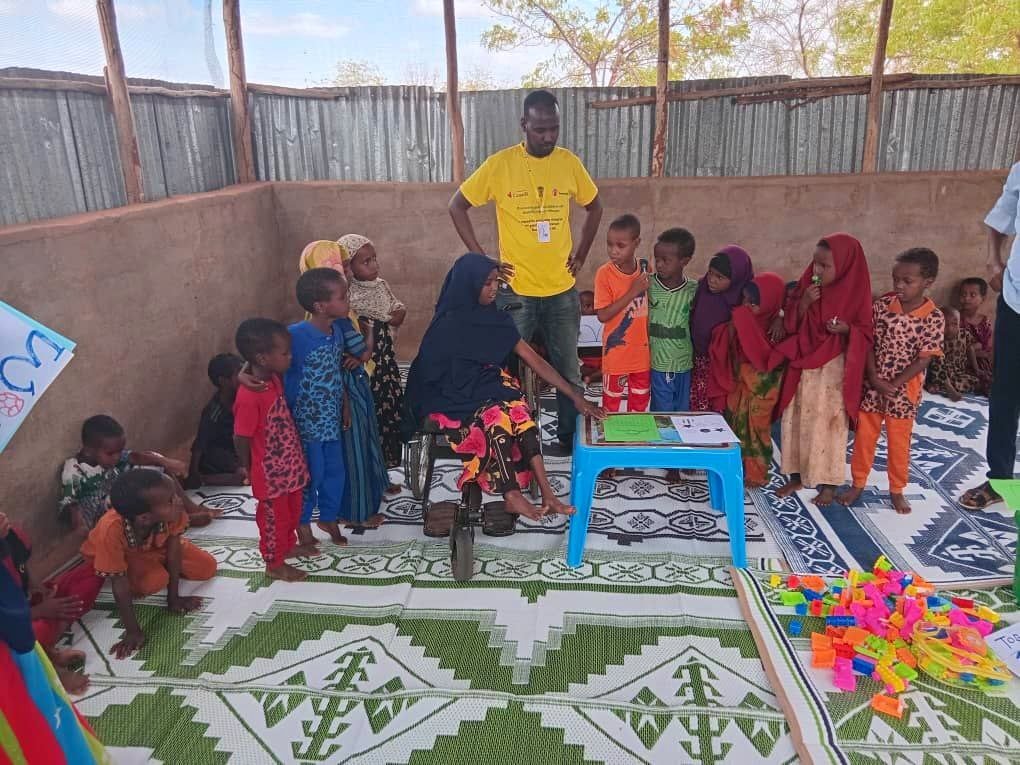
Giving refugee children in the Dollo Ado camps a real start — 17 pre-primary centres, trained teachers, and families who now understand why early learning matters.
Project at a glance
What this project has reached
Pre-primary and ECCE centres operating
Children reached
Children with disabilities enrolled
Community facilitators and incentive teachers
Figures confirmed by Wa-PYDO’s programme office, April 2026.
The challenge
Early learning is where the gap opens — and where it can be closed
As of February 2026, 218,173 Somali refugees were living in the five Dollo Ado camps. Their youngest children are the ones most easily missed.
Early childhood care and education is one of the most neglected parts of Ethiopia’s education system, and in a refugee camp that neglect compounds fast. Our own assessment of the centres found the same problems repeating: learning spaces too small for the number of children, not enough nutritious food or clean water for three- to six-year-olds, poor quality play and learning materials, no reliable way of tracking who was attending and who had quietly dropped out, and facilitators teaching without a standard curriculum or activity guide to work from.
The buildings themselves were part of the problem. Many are decades old — some classrooms damaged by termites, some with roofs taken off by wind, some close to collapse.
And there was a quieter barrier. Many families did not send their young children at all, assuming school would cost money they did not have, and not knowing what early learning at home could look like. Where childcare was discussed, it was assumed to be the unpaid work of women and girls alone.
What we did
We put the centres in the community’s hands, then gave them what they needed
This project is built on localisation. Rather than run the centres ourselves and leave, we assessed the capacity of the community-based organisations already there, built development plans with them, trained their members in gender-responsive pre-primary education, and passed them in-kind grants so they could run their own awareness work — social norms sessions, consultation meetings, tea-talks, and campaigns for girls’ education and the education of children with disabilities.
Alongside that we screened, selected and paid monthly incentives to the teaching staff who actually keep the centres open, together with guards and cleaners at each site, and put five education supervisors through coaching and mentorship training.
The work on the ground
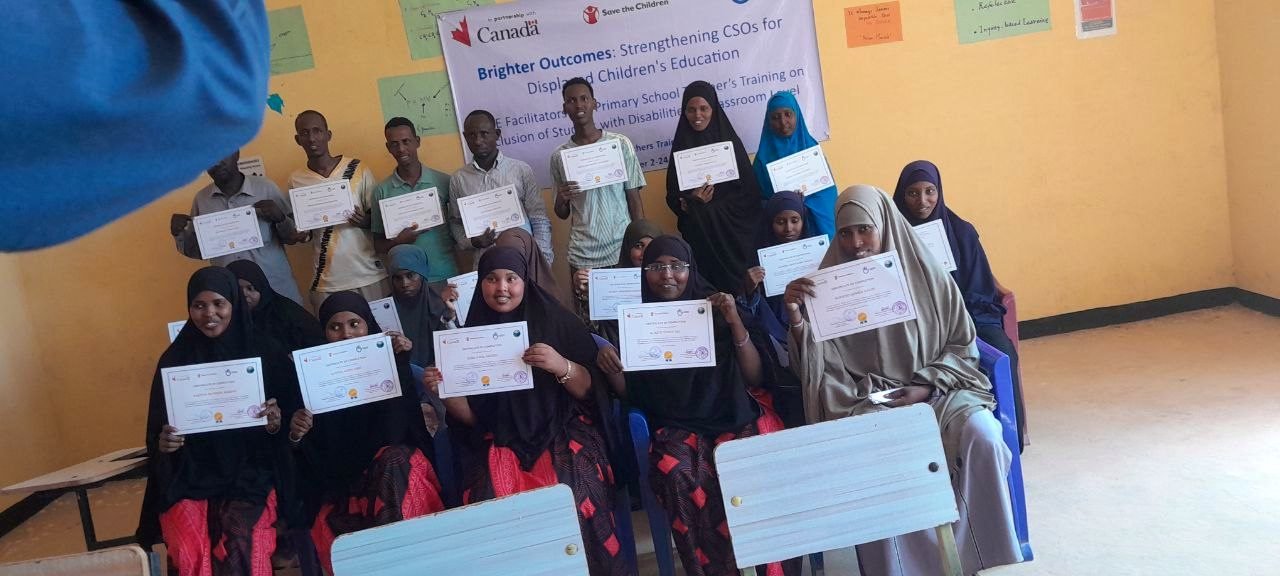
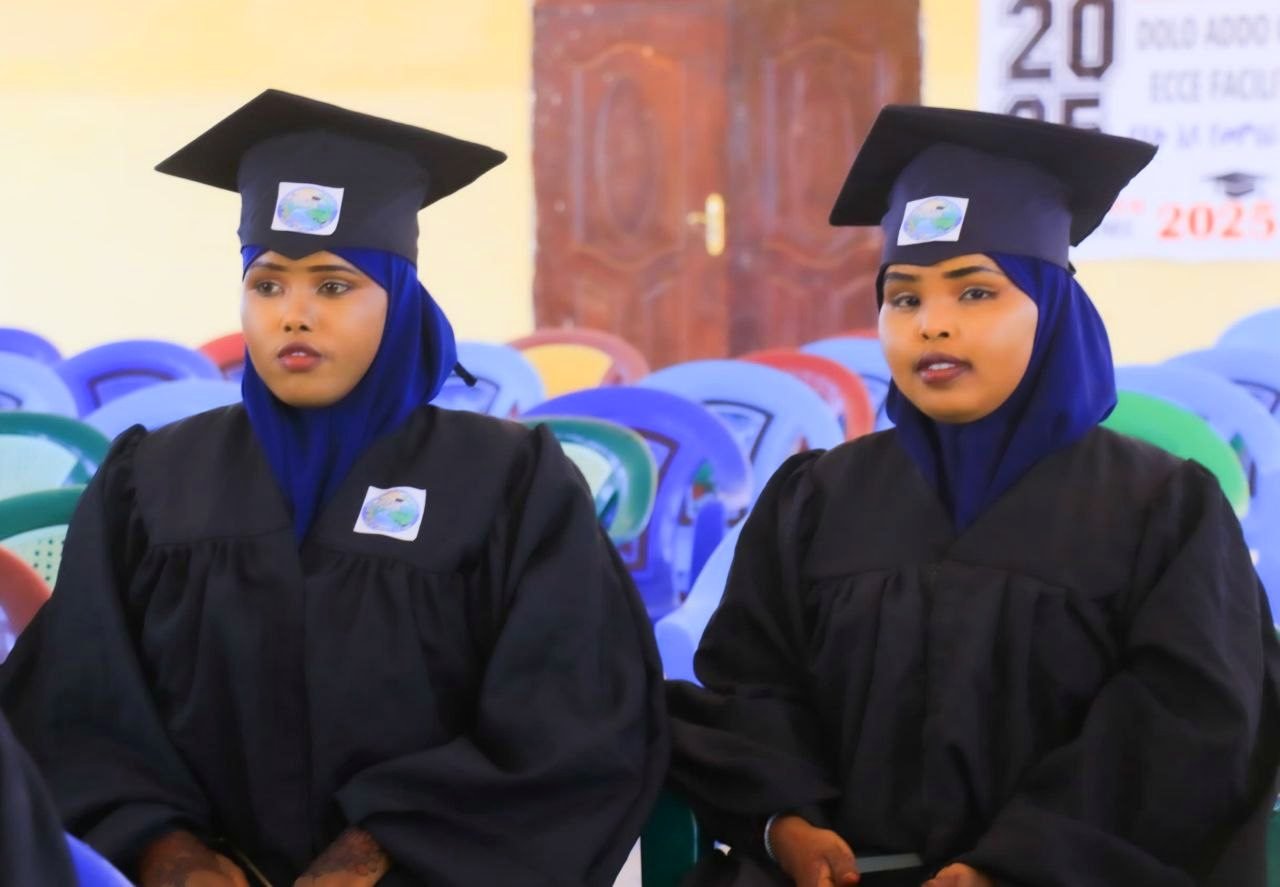
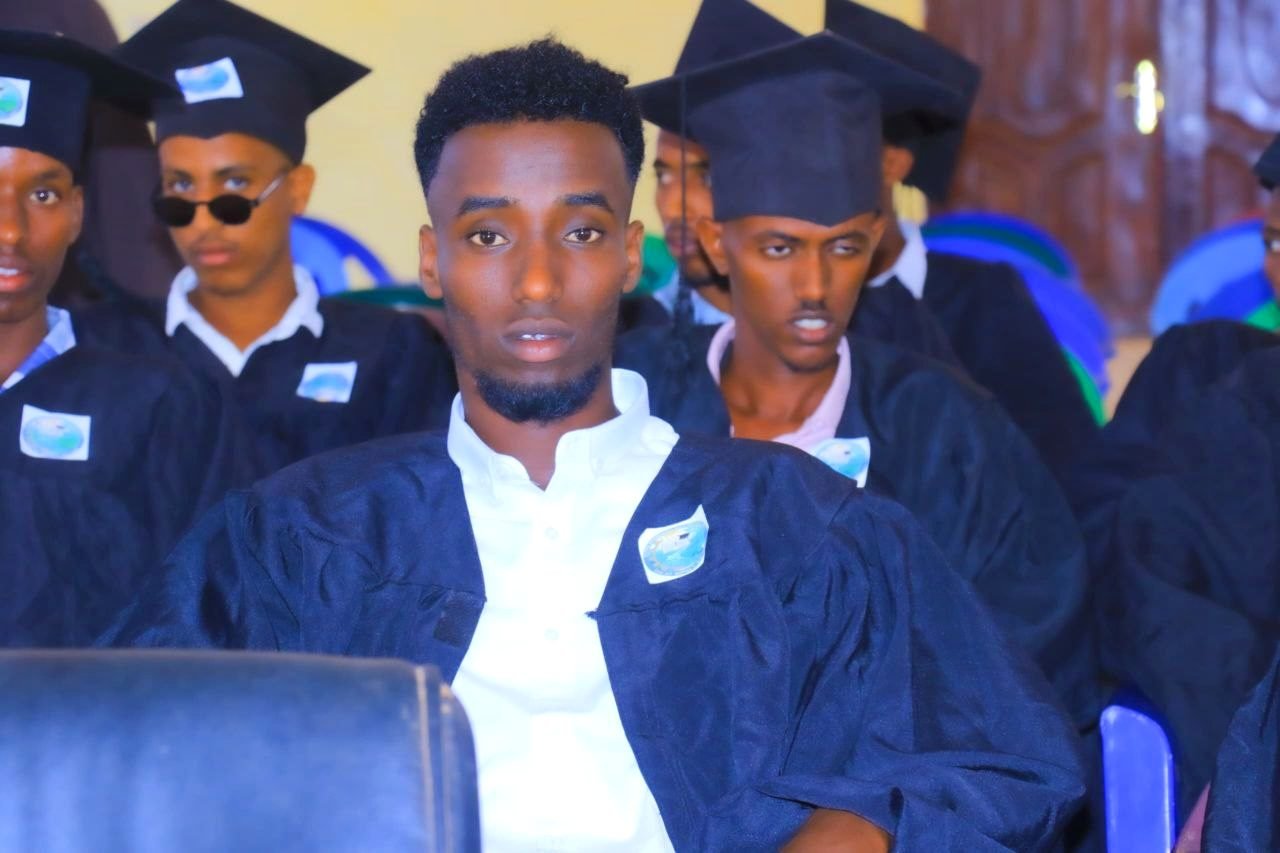
- Two summer upgrading courses — 45 days in 2024 and 45 days in 2025 — delivered through the TVET early childhood programme at Dollo Ado Teachers Training College, covering 16 ECCE subjects
- School Improvement Plans developed at eight centres, alongside an environmental assessment and management plan
- Infrastructure improvements across eight ECCE centres in Bokolmayo, Melkadida, Kobe, Hilaweyn and Buramino
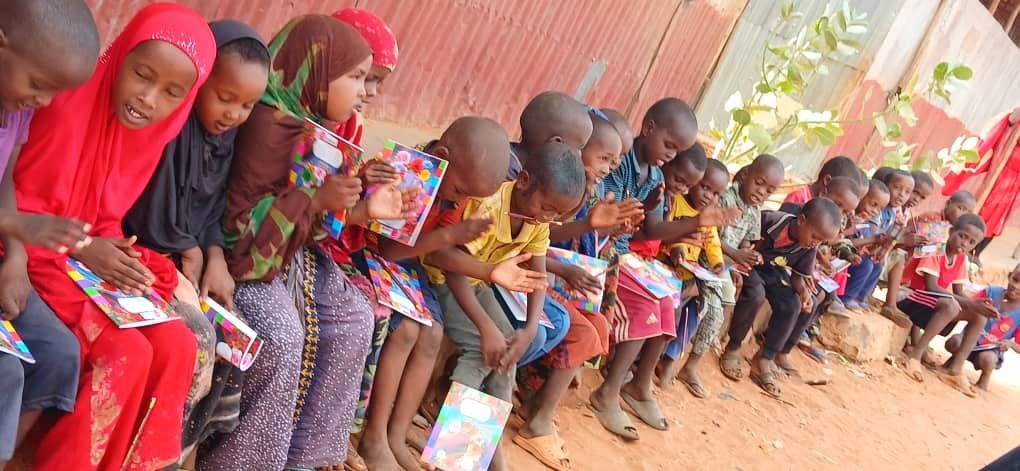
- 3,000 exercise books, 5,000 pencils and sharpeners and 5,000 erasers distributed
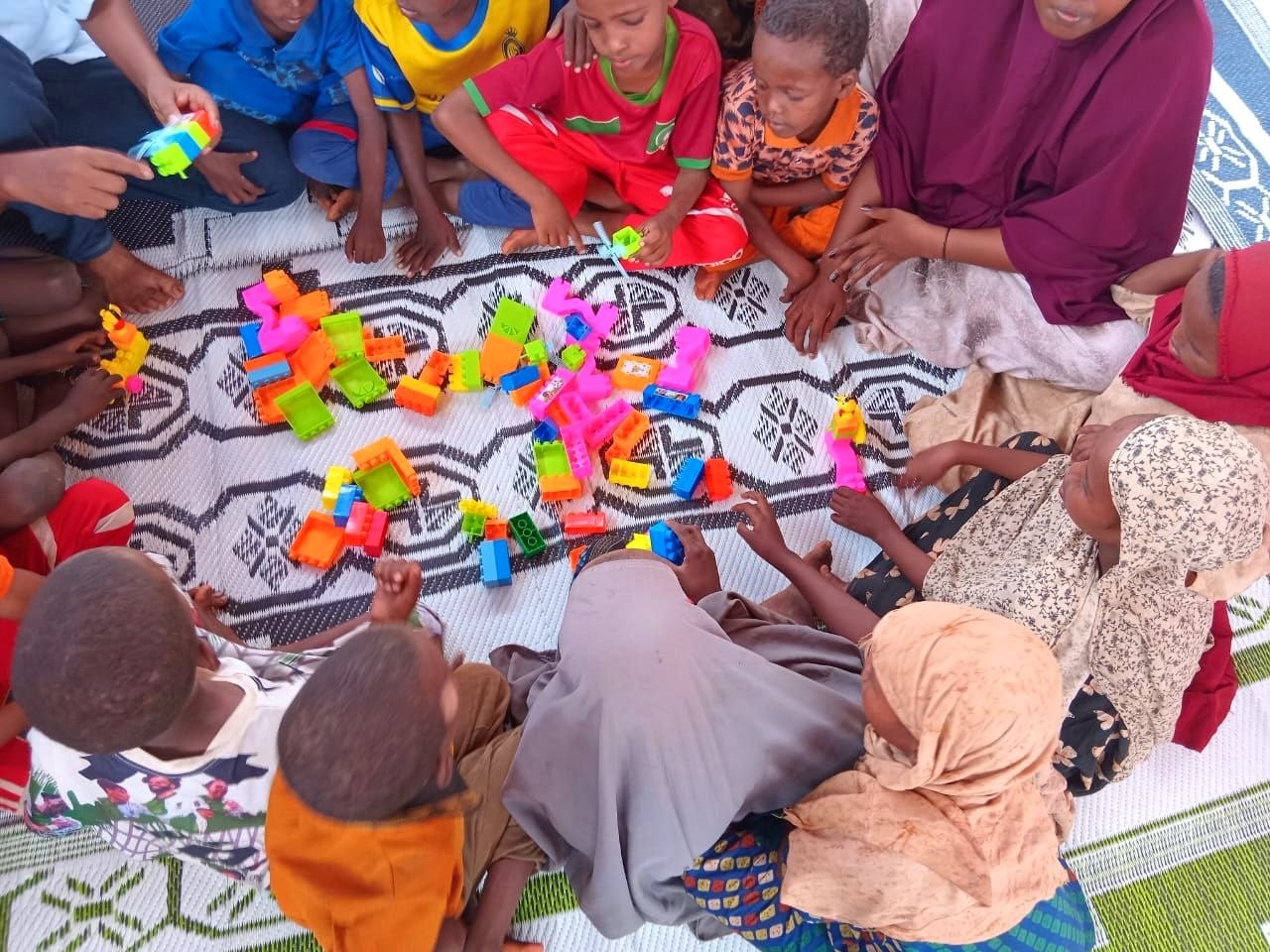
- Indoor and outdoor play materials supplied — alphabet boards and building blocks for ages 3–4, skipping ropes and play balls for ages 5–6
- Mental health, psychosocial support and gender-based violence referral pathways mapped, documented, and posted on banners at every centre in local languages
- An eight-session early learning course for caregivers, built around 20 minutes of learning at home each day
- Monitoring and evaluation training cascaded through all five camps to teachers, centre management committees and women’s associations — 80 people in total
- Disability assessment and assistive mobility devices provided with Humanity & Inclusion — 141 children received a device, 81 girls and 60 boys
Results
What changed
Enrolment beyond target
Against a plan of 5,787 children, 6,993 enrolled across the eight centres Wa-PYDO ran directly — 121% of the target. Across all 17 centres the project has reached 18,250 children.
Disability inclusion, not on paper
The original target was 31 children with disabilities in eight centres. 99 enrolled. Across all 17 centres, 311 children with disabilities are now enrolled and 141 have received assistive mobility devices.
Teachers with real qualifications
21 incentive teachers — 12 women and 9 men — completed the two-semester summer course and hold national TVET-level certificates.
Parents who now teach at home
288 caregivers — 264 women and 24 men — completed all eight home-learning sessions, against an agreed target of 120. A further 1,540 were reached through shorter awareness sessions.
Communities running their own centres
97 community-based organisation members are engaged, 71 of them women, across centre management committees, refugee central committees and women’s associations. 90 have been trained.
A wider conversation
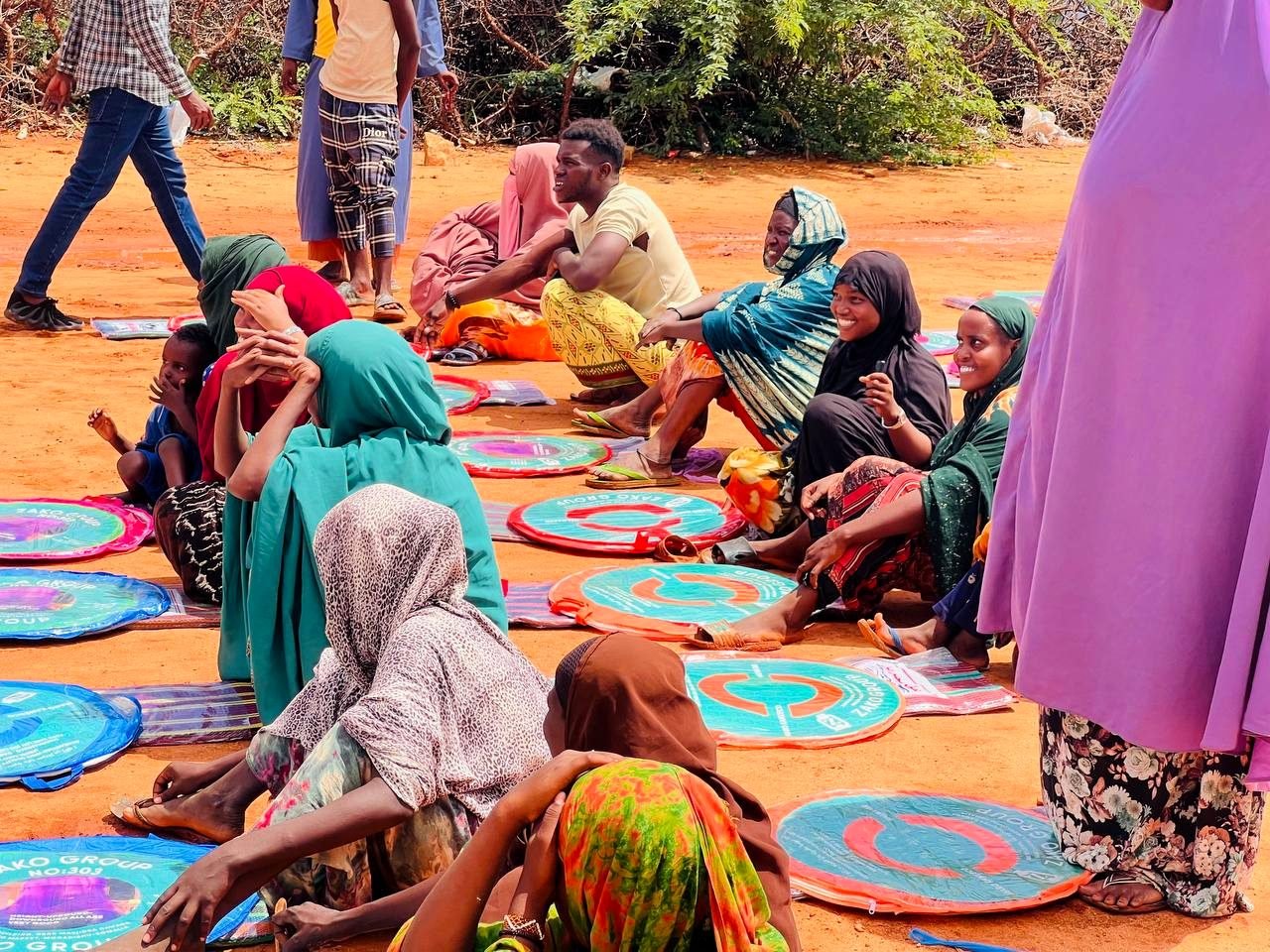
4,000 community members — 2,500 women and 1,500 men — have been reached through consultations, tea-talks, back-to-school drives and mass awareness campaigns.
This program has opened my eyes and transformed my thinking. I have gained not just knowledge, but the confidence to lead and inspire. I now carry the responsibility to share what I’ve learned and contribute to building a brighter future for the next generation.
Bishara Abdikani — incentive teacher, Bokolmayo camp, and one of the highest-ranking graduates of the summer course
From the centres
Early learning changes what a childhood can become
Talk to us about supporting pre-primary education for refugee and host-community children in the Somali Region.