From 2015 to 2025, one continuous programme across five Dollo Ado refugee camps and the host kebeles around them — livestock, agriculture, cooperatives and women’s enterprise.
Programme valueUSD 7,181,615 across eleven annual phases
WhereFive Dollo Ado refugee camps — Bokolmayo, Melkadida, Kobe, Hilaweyn and Buramino — and adjacent host kebeles
ReachedAround 180,000 people, in roughly 36,000 households
StatusConcluded June 2025
Eleven consecutive years
Not eleven separate projects — one programme, renewed each year, in the same camps, with the same communities.
USD 7.18m
Invested between 2015 and 2025
~180,000
People reached
~36,000
Households
31
Cooperatives established — 22 livestock, 9 agricultural
Programme value is the sum of the eleven annual budgets recorded in Wa-PYDO’s organisational profile. Reach figures confirmed by the programme office. Cooperative counts drawn from the annual reports 2015–2025.
Why this mattered
A refugee camp is not a temporary place
The Dollo Ado camps have held Somali refugees since 2011. Host communities in Liban Zone are pastoralists losing herds to drought. Both needed the same thing: a way to earn.
Aid that arrives as a monthly ration keeps people alive. It does not give them a trade, a herd that recovers, a shop, or a cooperative that can buy in bulk and sell at a fair price. This programme was built on the opposite premise — that refugees and their host neighbours are producers, and that if the market around them works, both are better off.
Every year of it worked on the same connected system: keep the animals healthy, get the meat and milk to market clean and quickly, put the profits through cooperatives that people own, open the same doors to women, and add crops and energy so a household is not betting everything on livestock.
Year by year
2015
Sustainable Improvement of Livestock Health and Productivity
Livestock-based business, slaughterhouse construction, solar milk cooling
USD 235,000
2016
PERLLE — Promoting the Expansion of Refugee Livelihoods in Livestock and Energy
Community animal health workers, vaccination, meat and milk marketing, hides and skins
USD 288,000
2017
PERLLE II
Livestock value chain, meat and milk hygiene, slaughterhouse, charcoal briquettes
USD 428,527
2018
ERLILEP — Enhancing Refugee Livelihood in Livestock and Entrepreneurship
Livestock enterprise development and cooperative support
USD 380,000
2025
LET-WITE
Livestock-based business capacity for refugees and host communities
USD 348,000
Total
Eleven phases, 2015–2025
USD 7,181,615
All eleven phases were funded by the IKEA Foundation through UNHCR and sub-granted to Wa-PYDO. The 2019 and 2020 phases were externally audited and received unqualified and unmodified opinions respectively.
Animal health
The vets who live in the camp
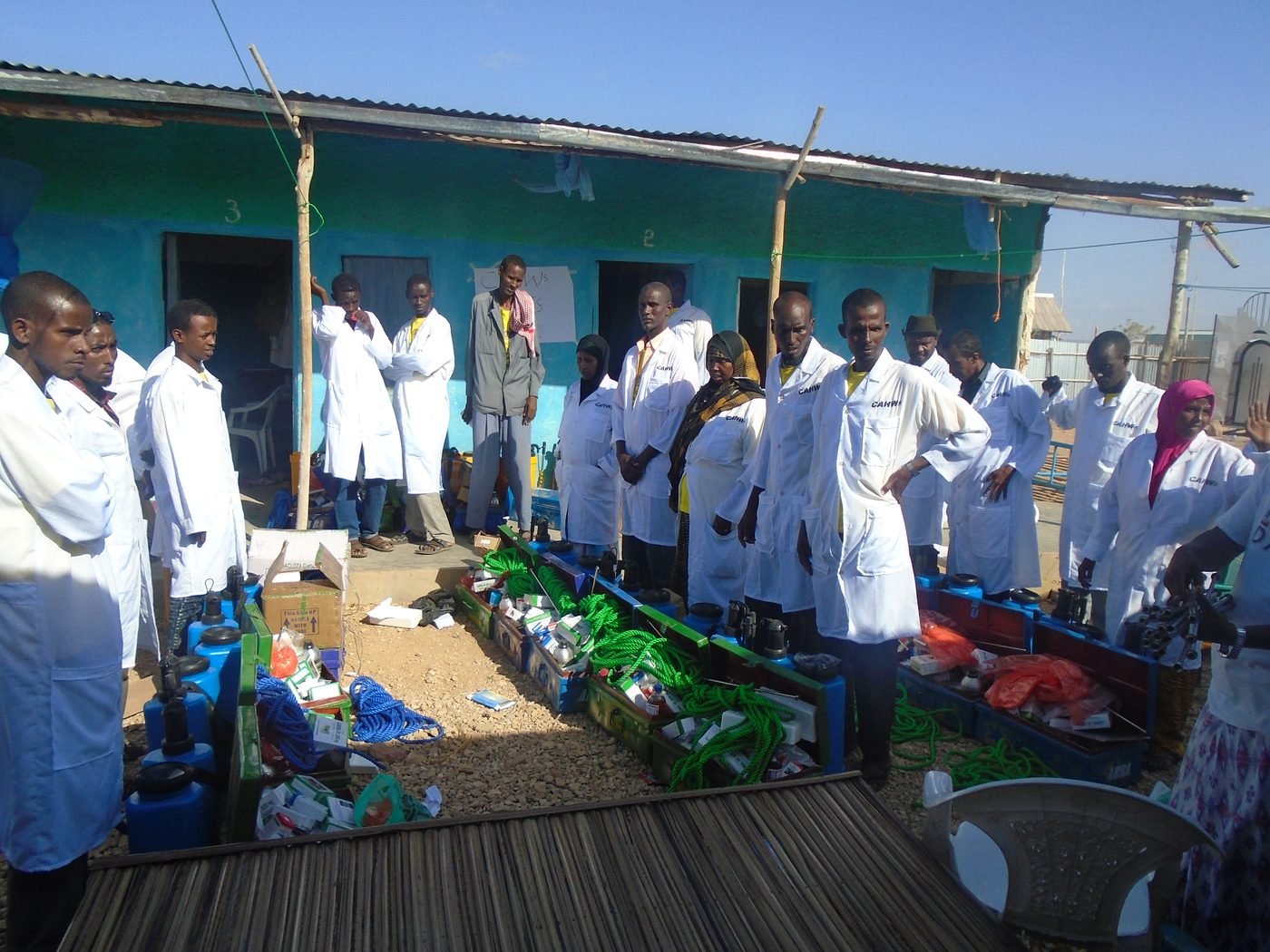
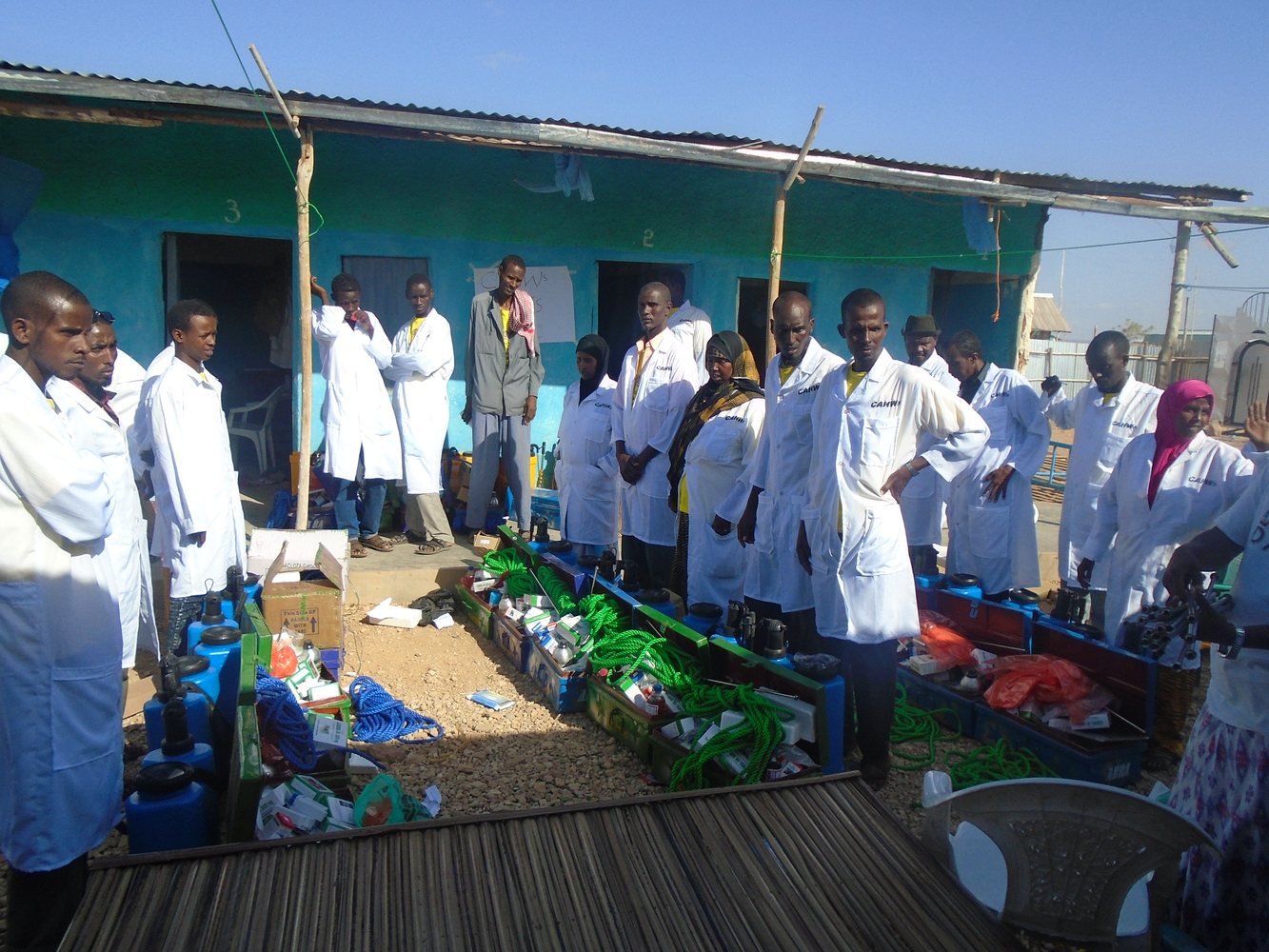
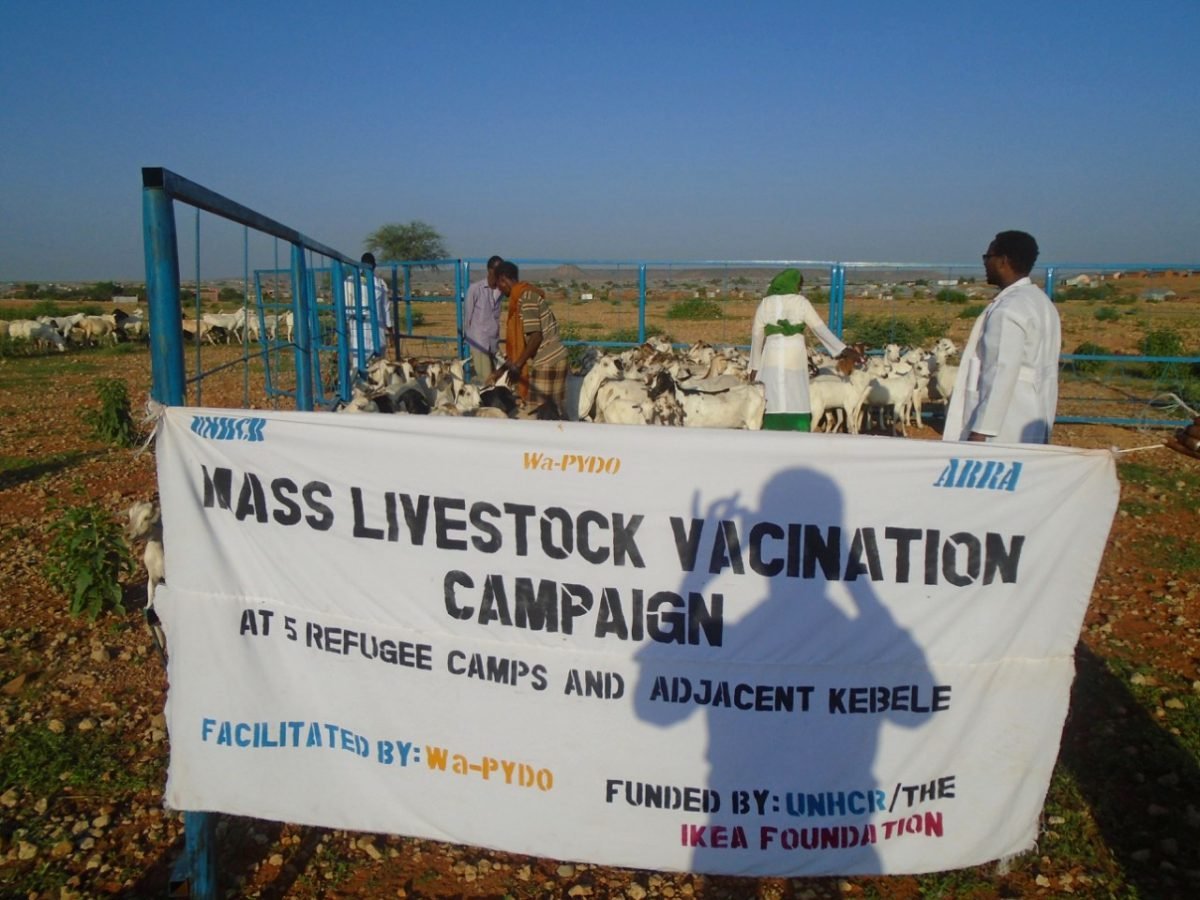
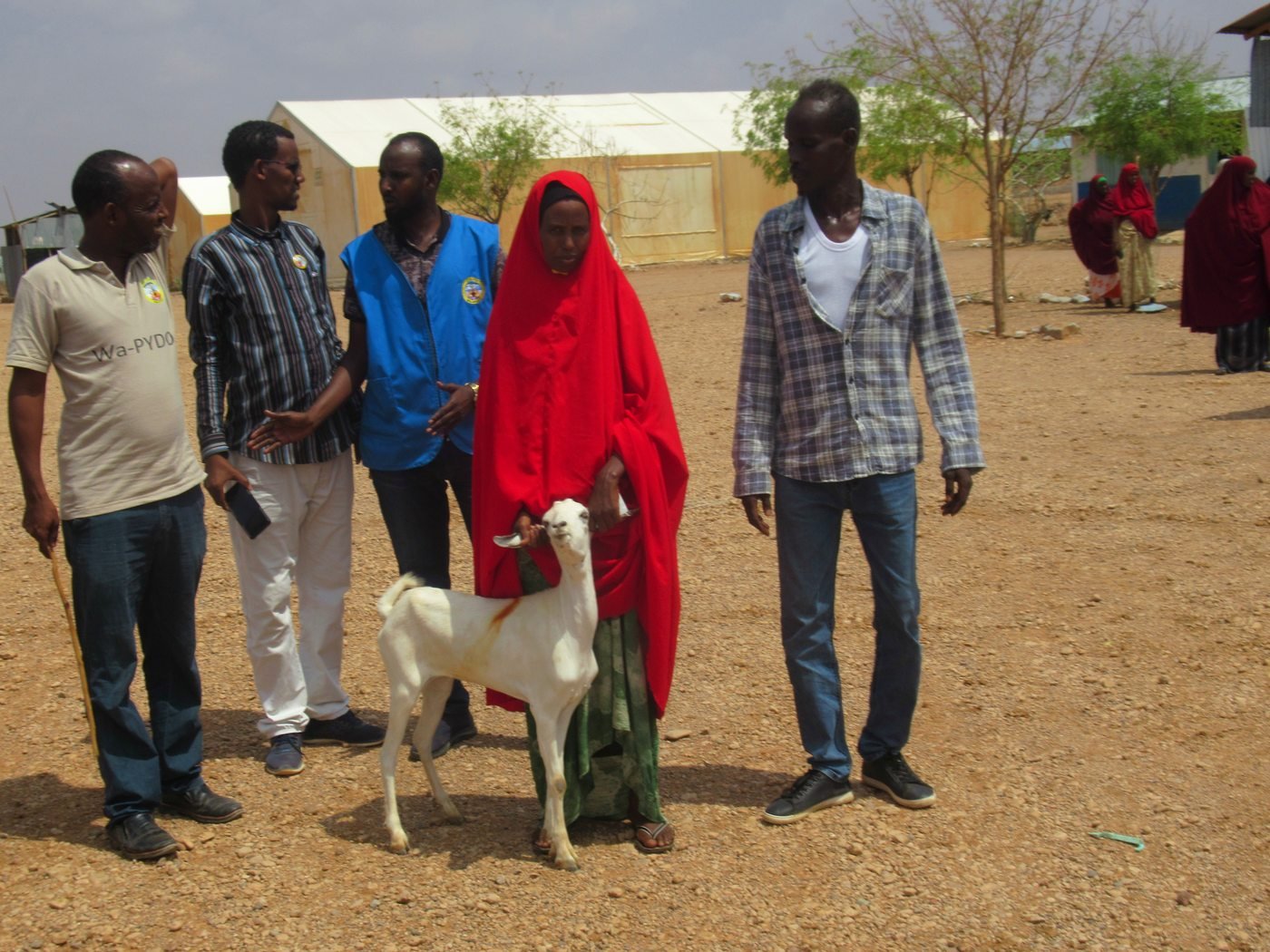
Livestock is the economy here, and an unvaccinated herd is one bad season from nothing. So we trained community animal health workers from inside the camps and host kebeles, equipped them with veterinary start-up kits, and backed the government’s mass vaccination campaigns across the five camps and the surrounding kebeles.
That gave communities something they had never had: someone qualified within walking distance, and a supply of medicine that did not run out.
Crops and irrigation
Rice, wheat and maize where people expected only dust
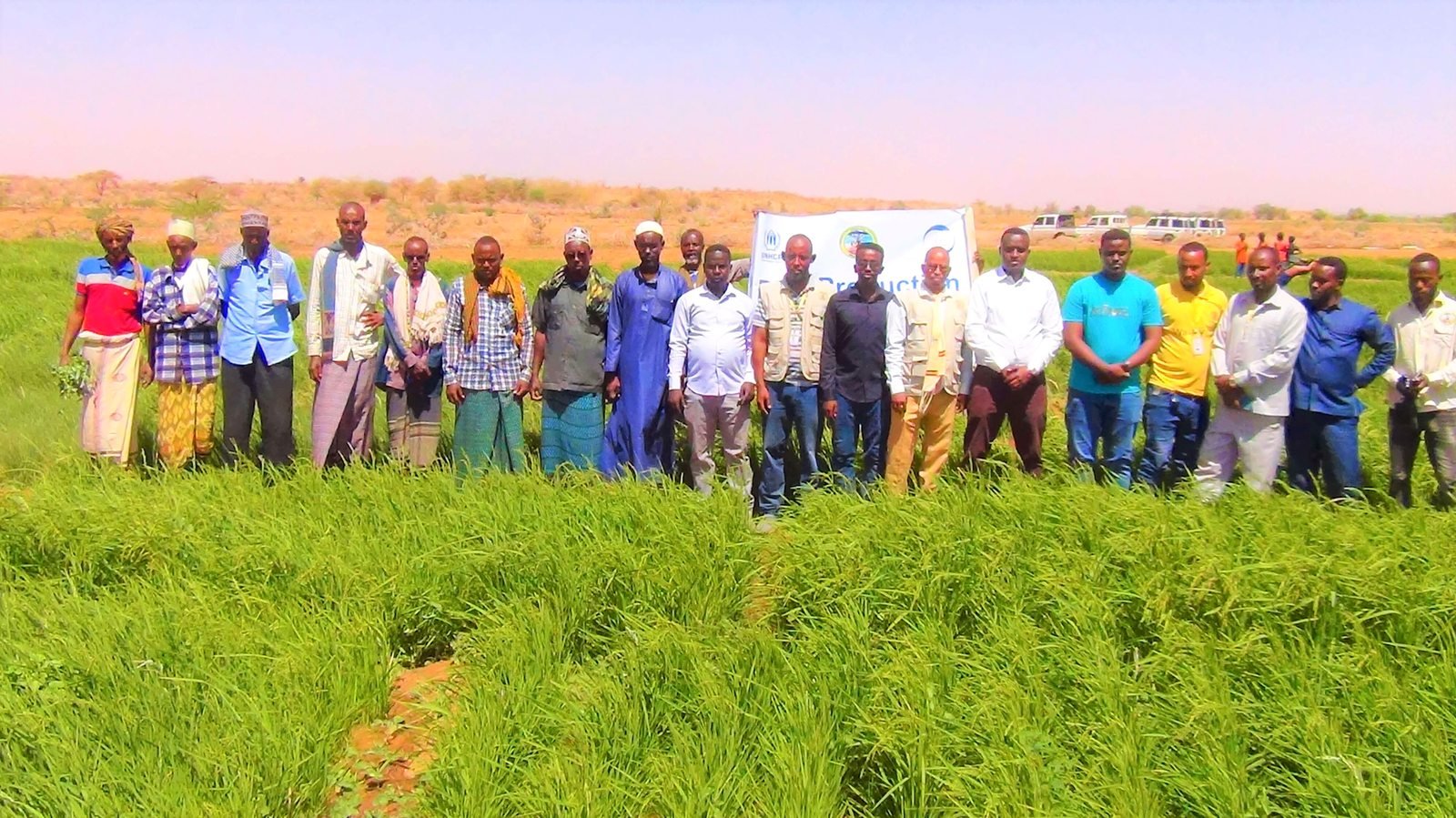
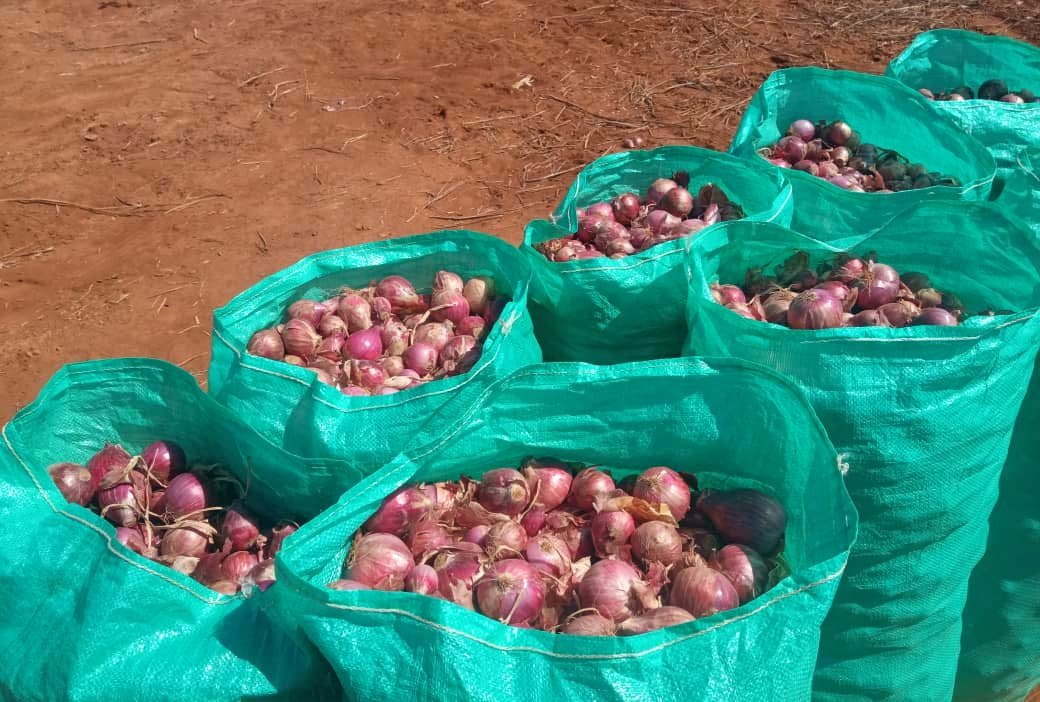
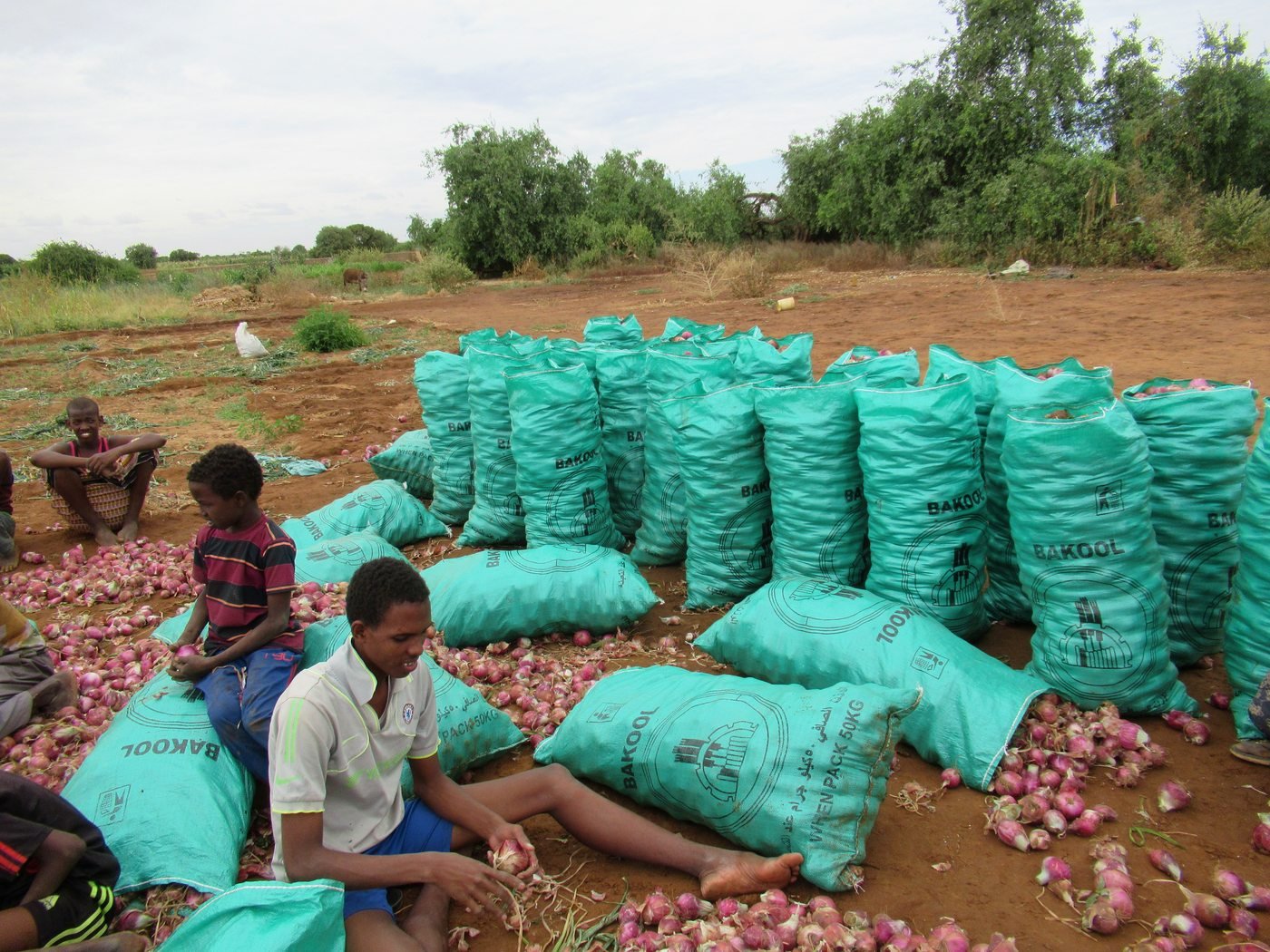
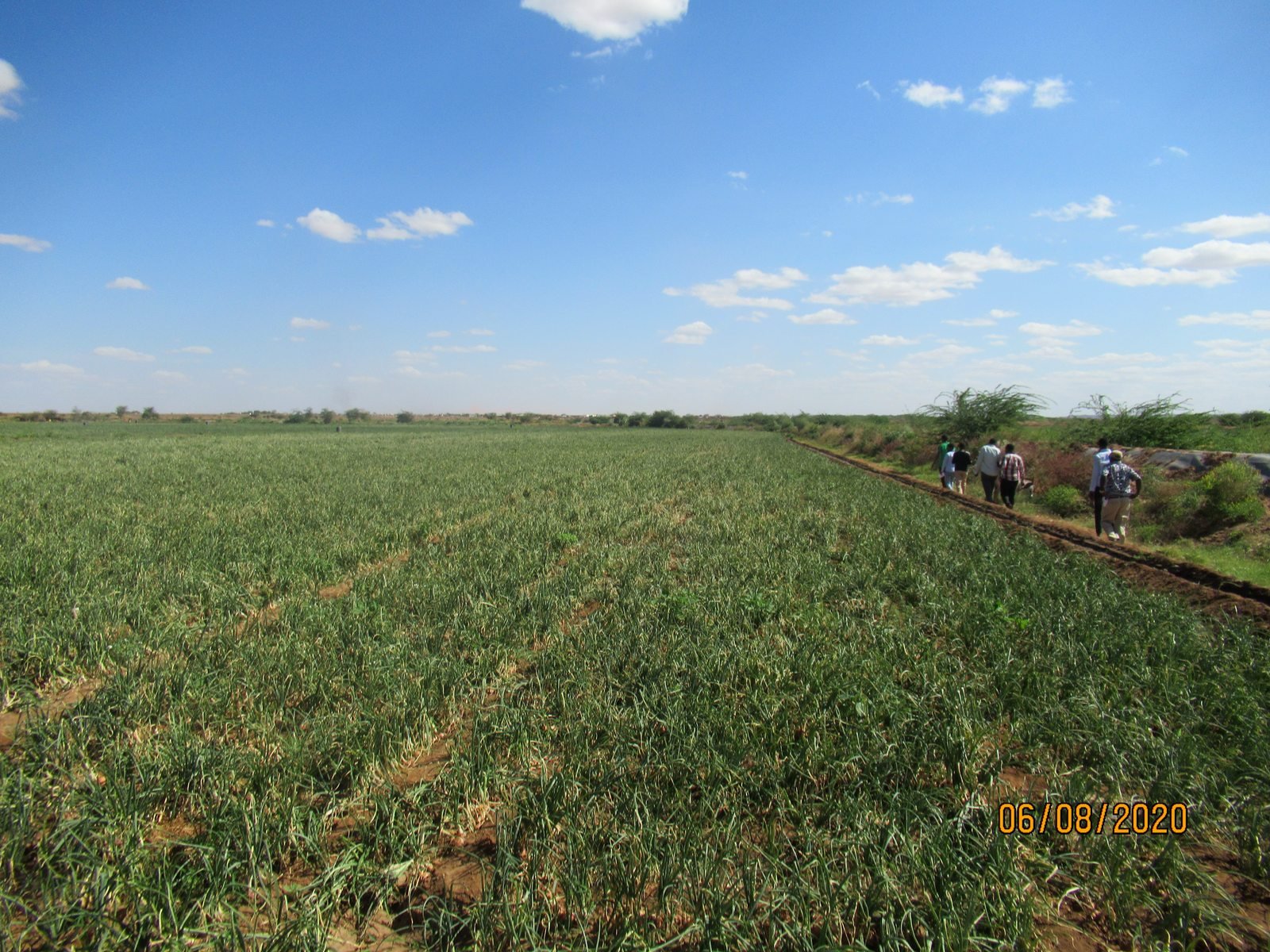
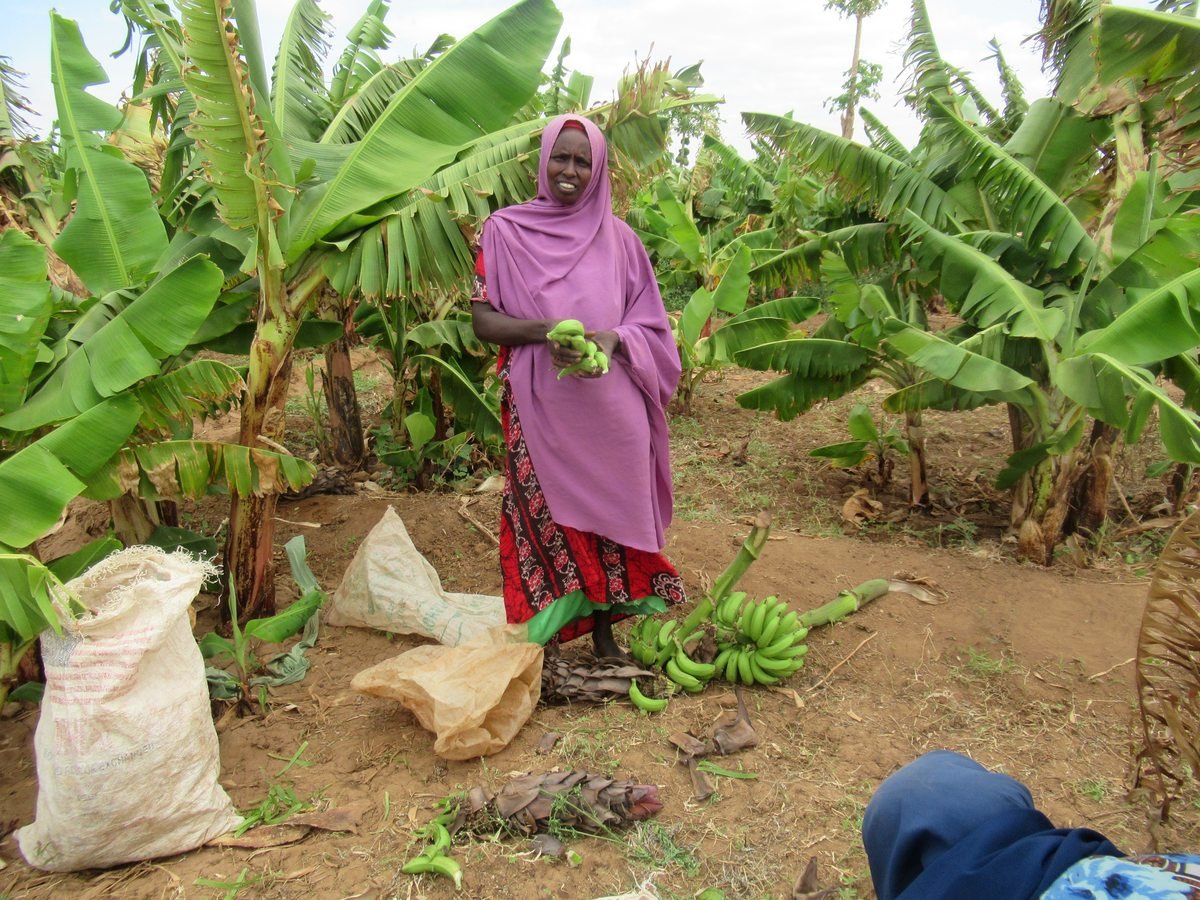
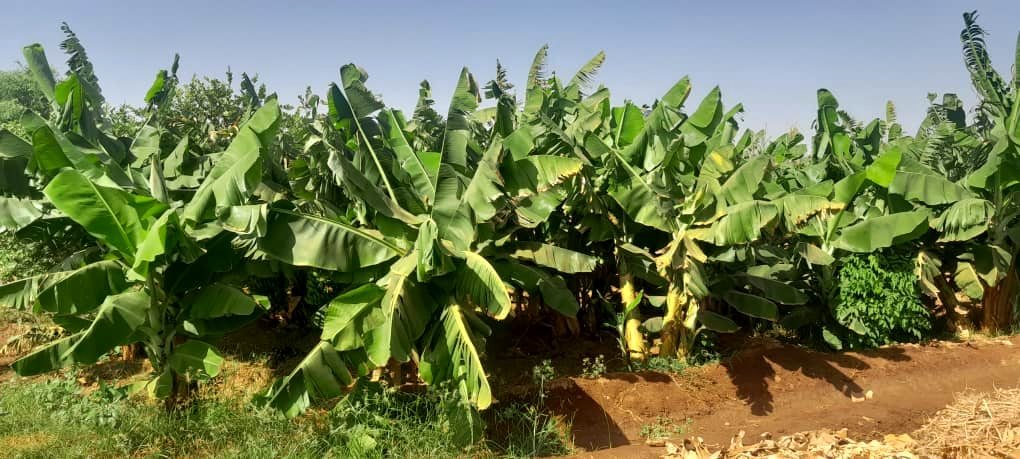
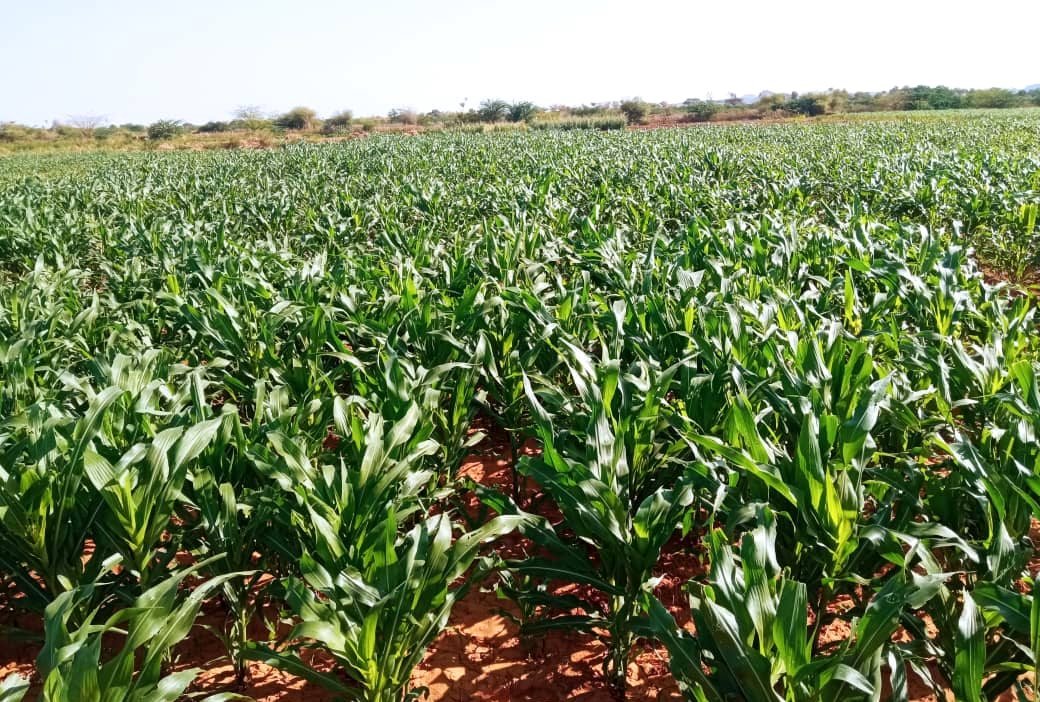
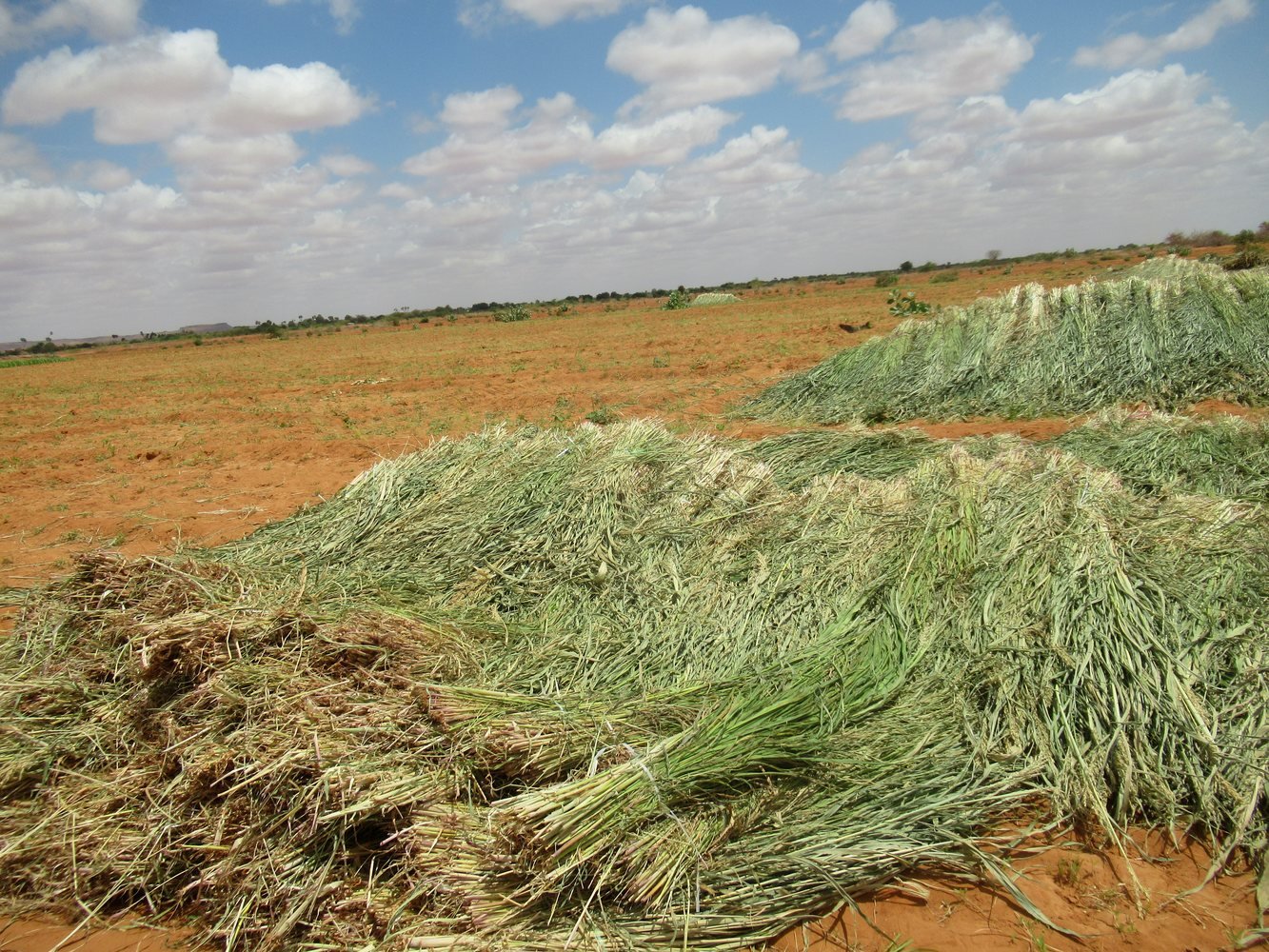
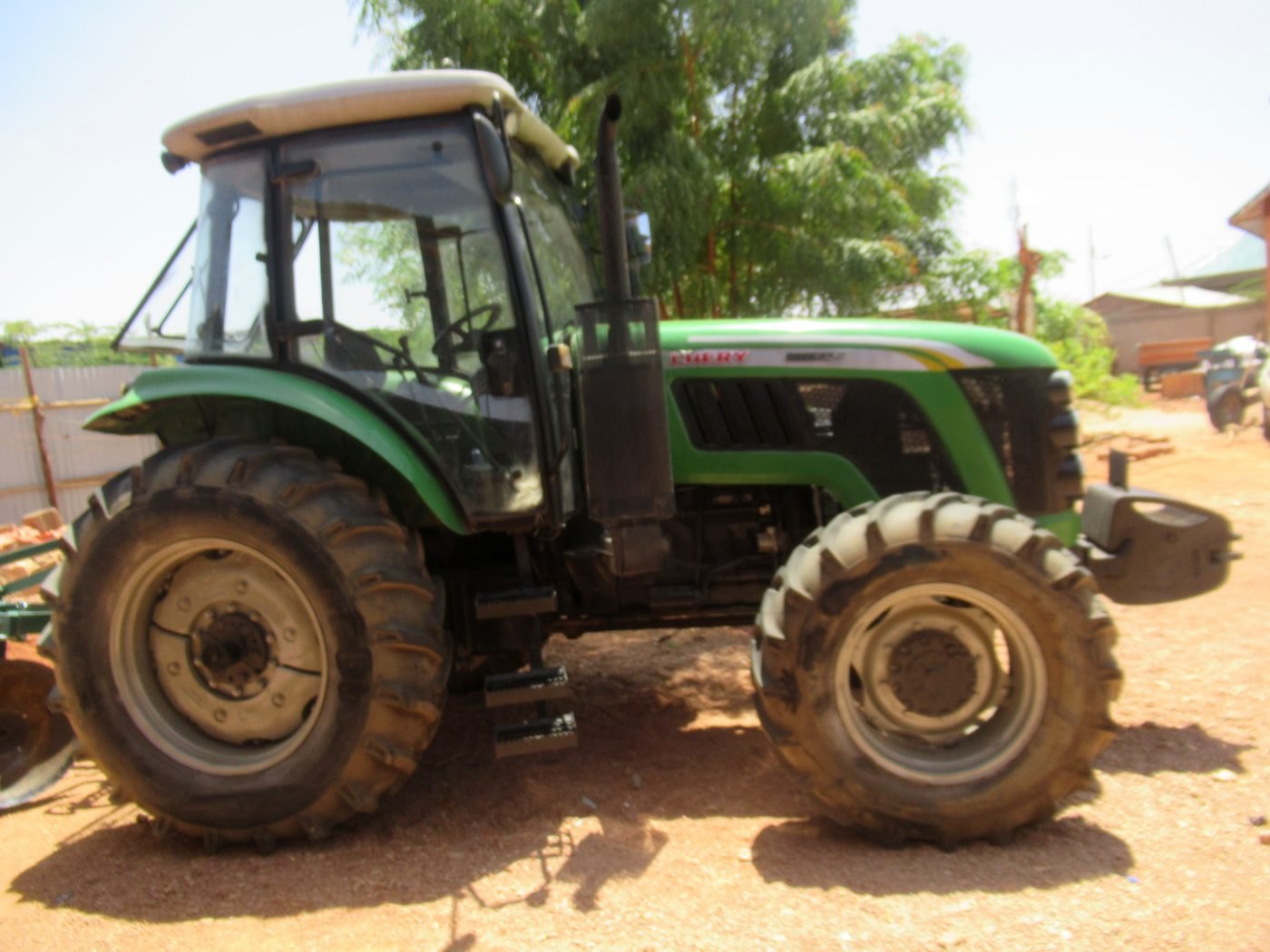
Irrigated plots along the river turned into something that surprises people who know this landscape: lowland wheat, rice, maize, onion and banana, grown by refugee and host-community farmers working the same schemes.
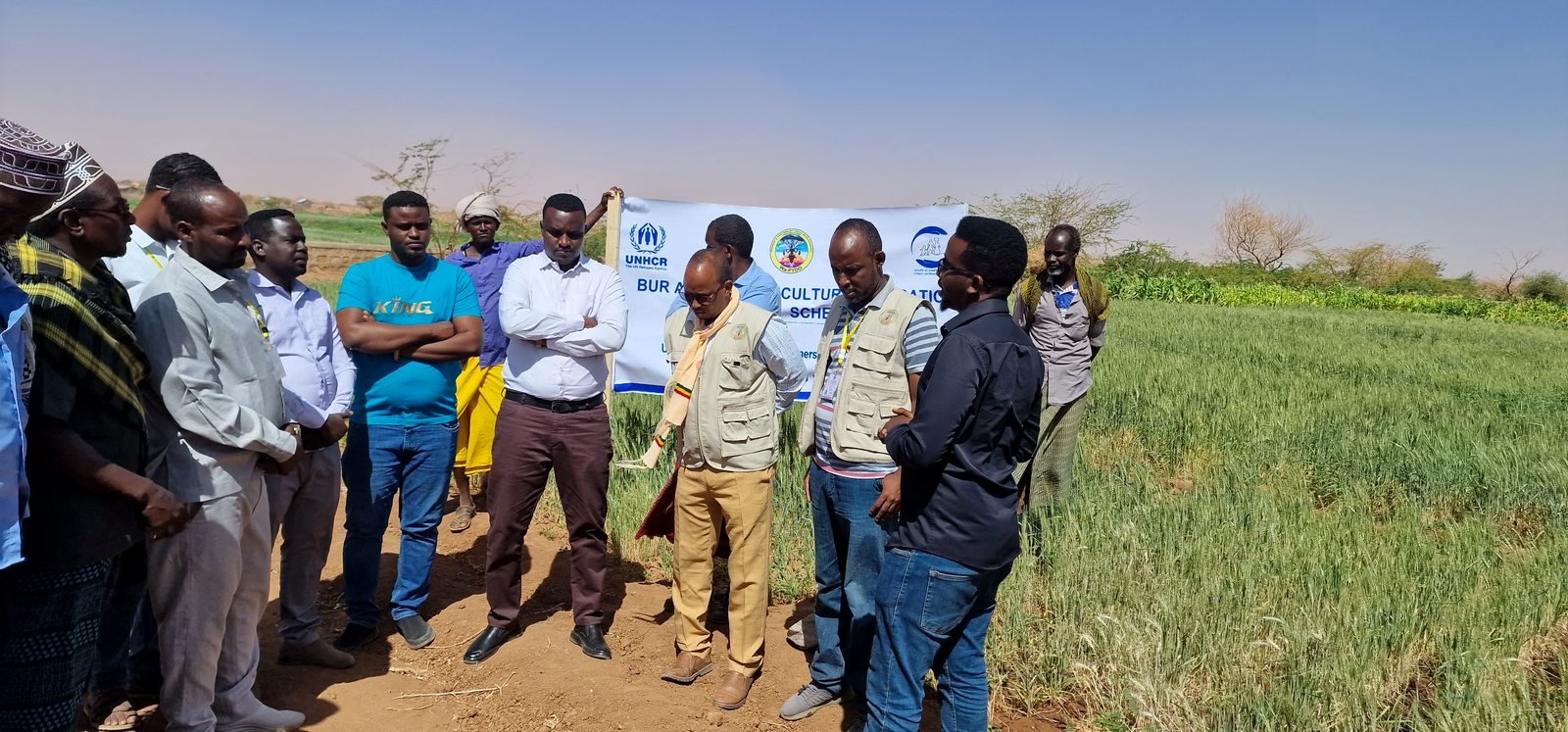
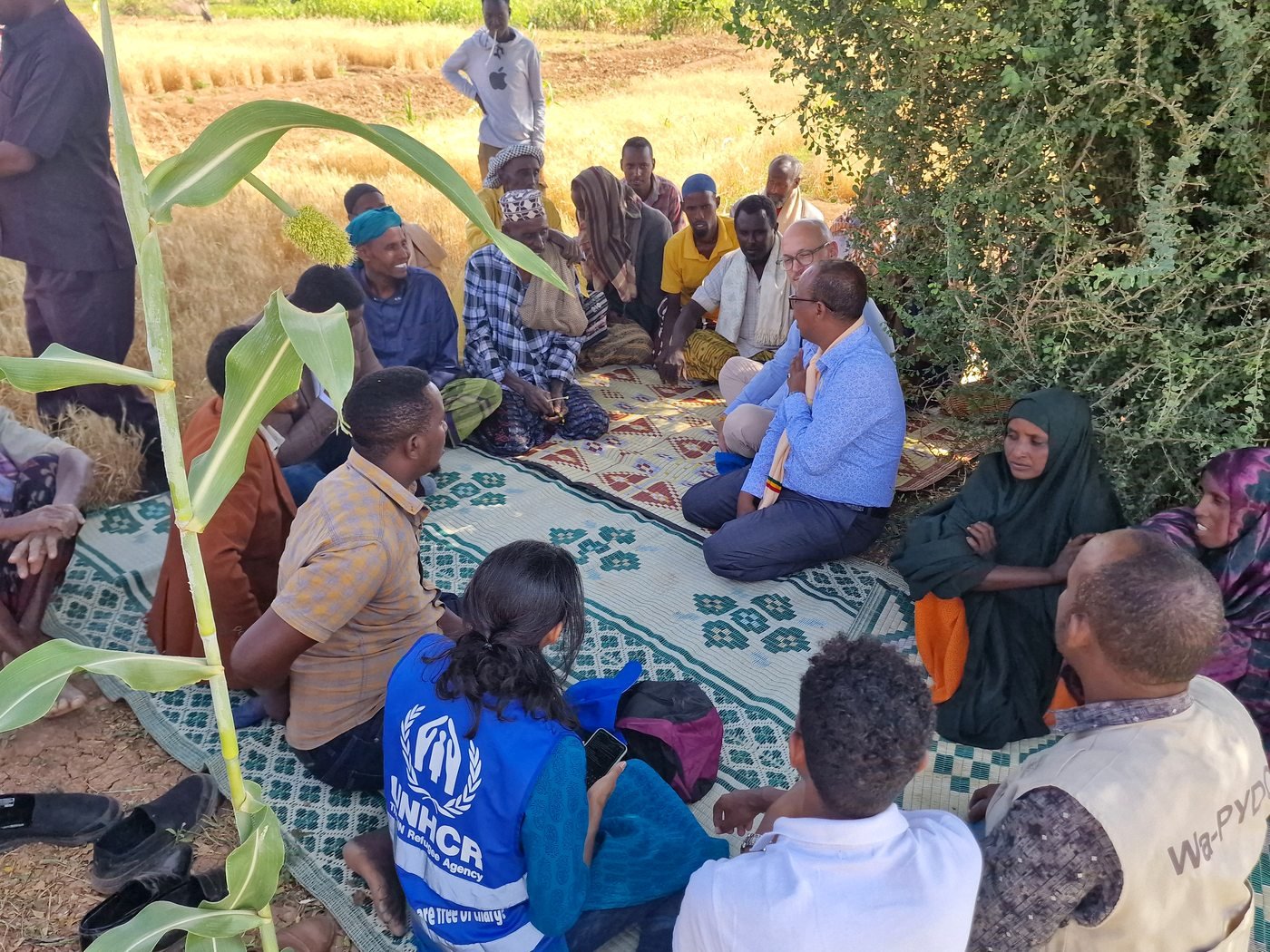
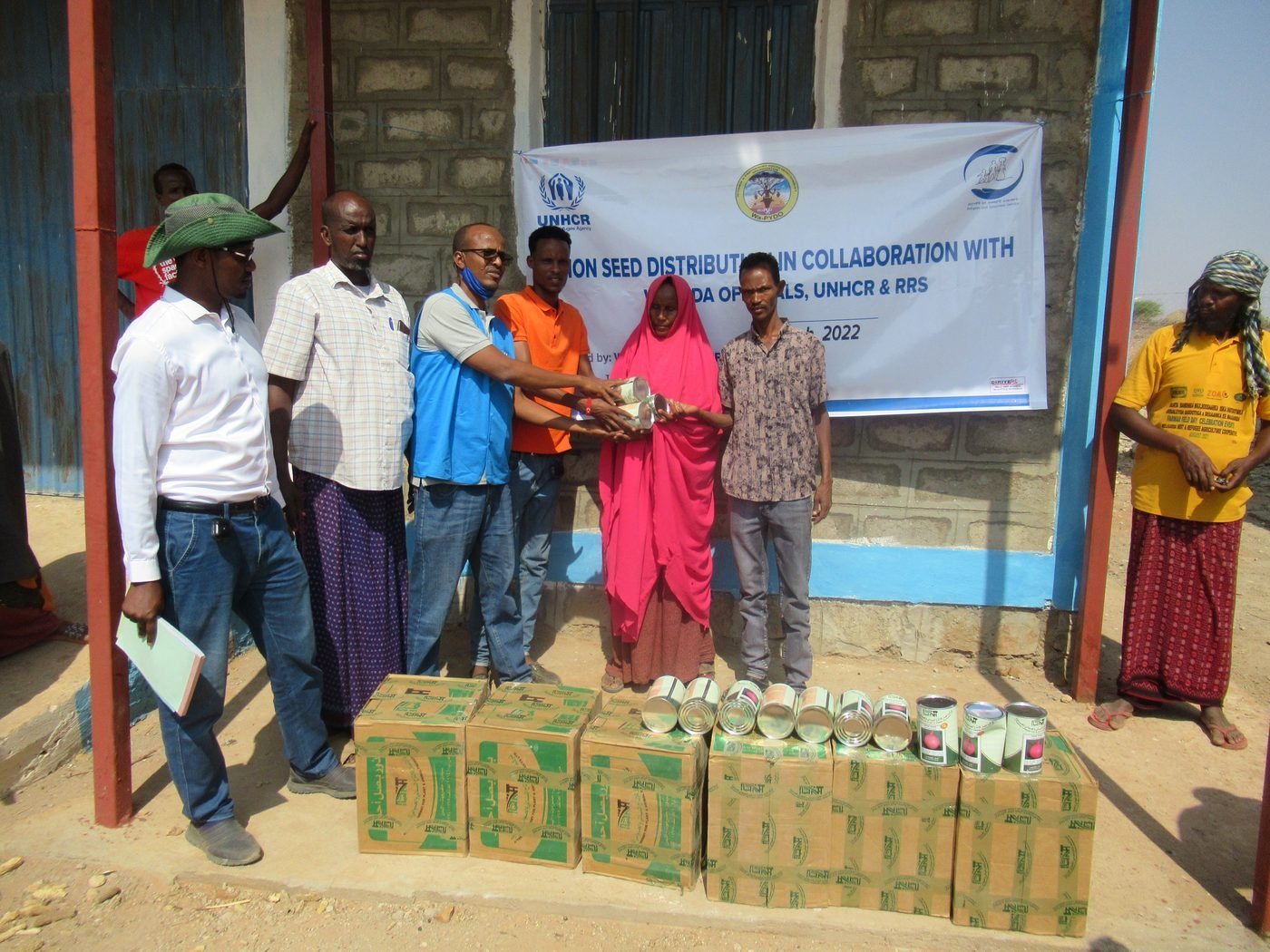
Seed distribution was run jointly with the woreda agriculture offices, UNHCR and RRS, and each season closed with a field day where farmers, officials and partners walked the plots together and looked at the yield.
Meat, milk and markets
Getting a good product to market before it spoils
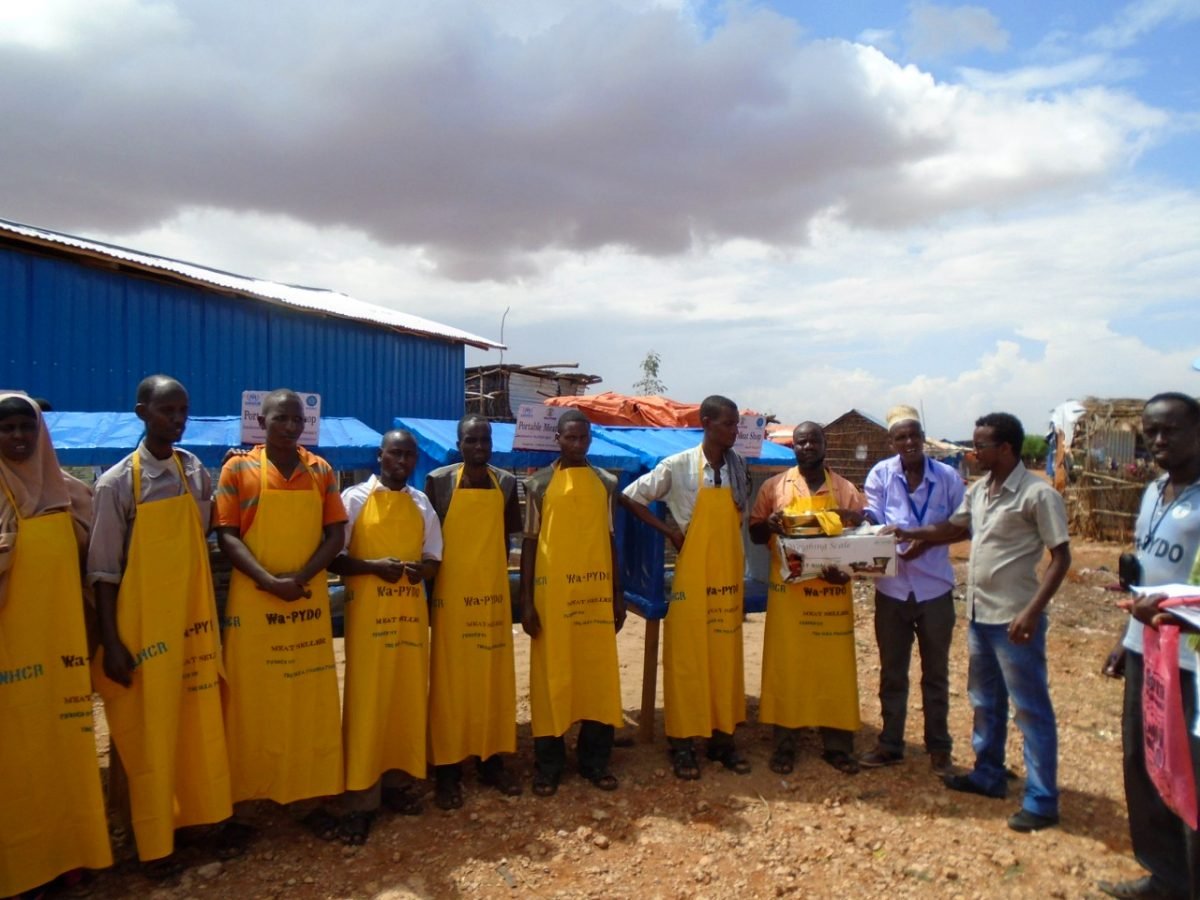
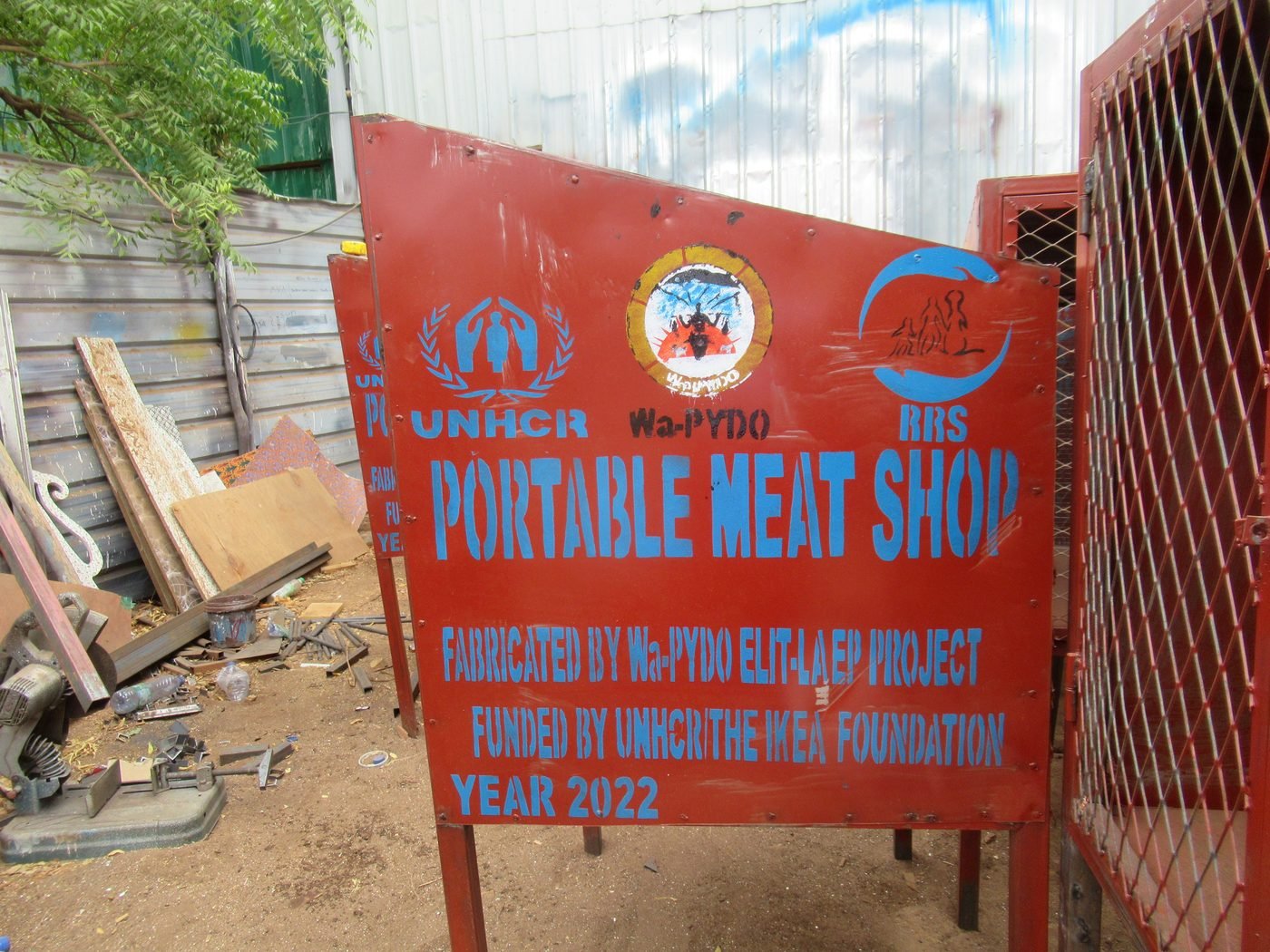
A slaughterhouse at Bur Aminow, portable meat shops, solar-powered milk cooling, donkey carts branded for meat transport, and hygiene training for the people handling both — the unglamorous infrastructure that turns livestock into income rather than loss.
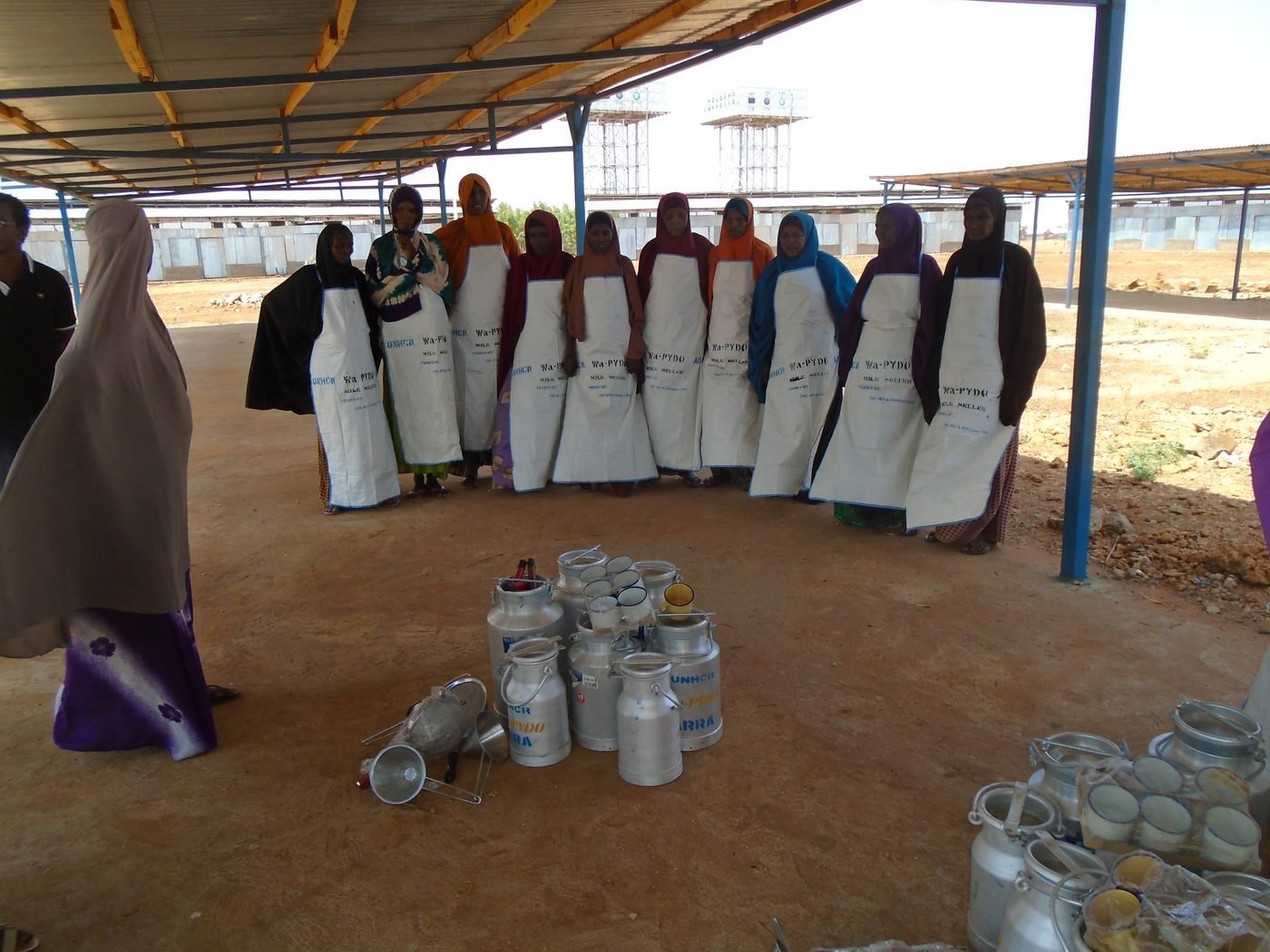
Women’s milk marketing groups took on the milk side, collecting, cooling and selling as a group rather than individually at whatever price the day offered.
The wider programme
What else eleven years built
Hides, skins and leather
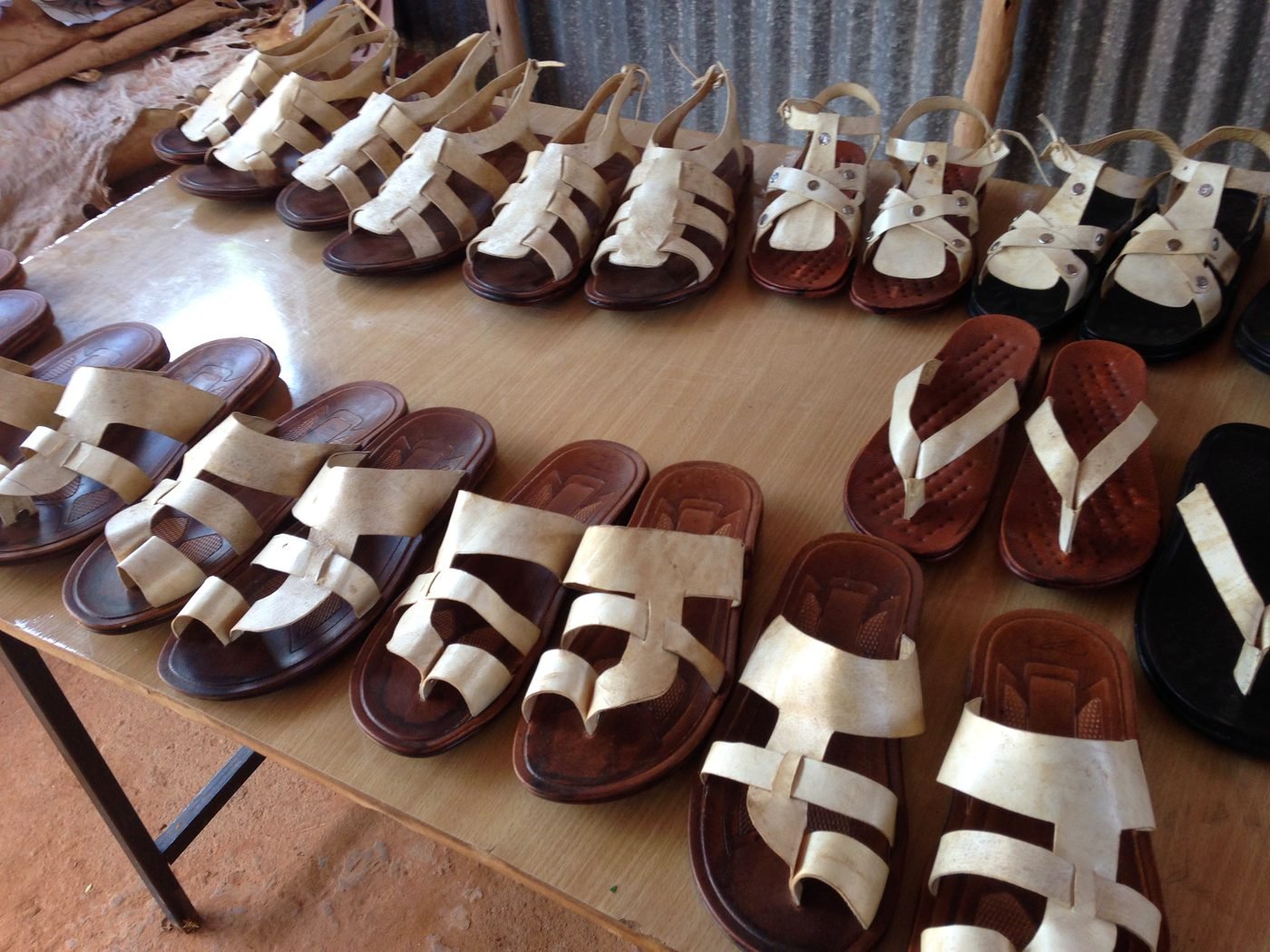
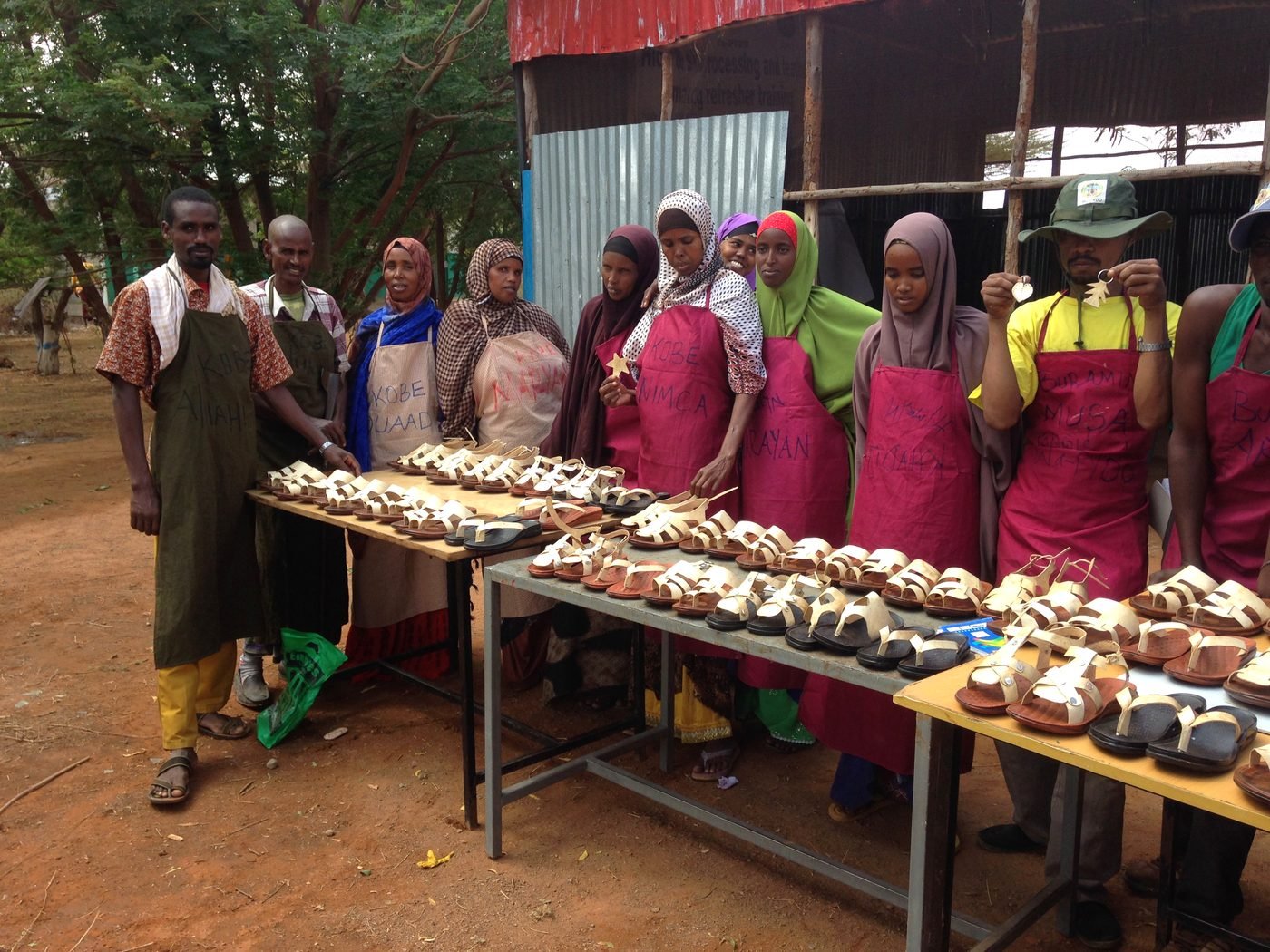
Refugees and host-community members trained in hide and skin processing and leather work — producing and selling finished sandals rather than exporting raw skins.
Charcoal briquettes
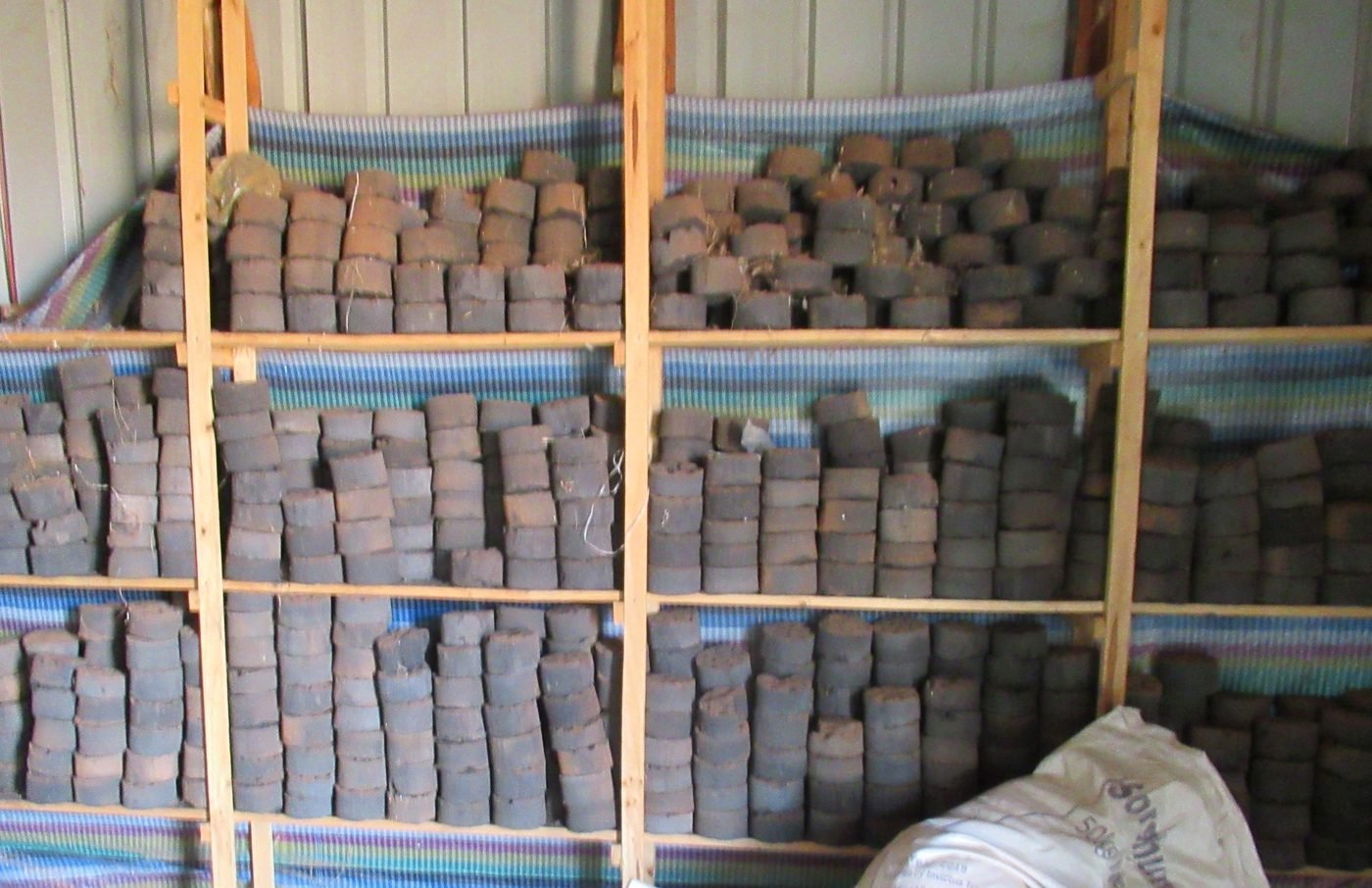
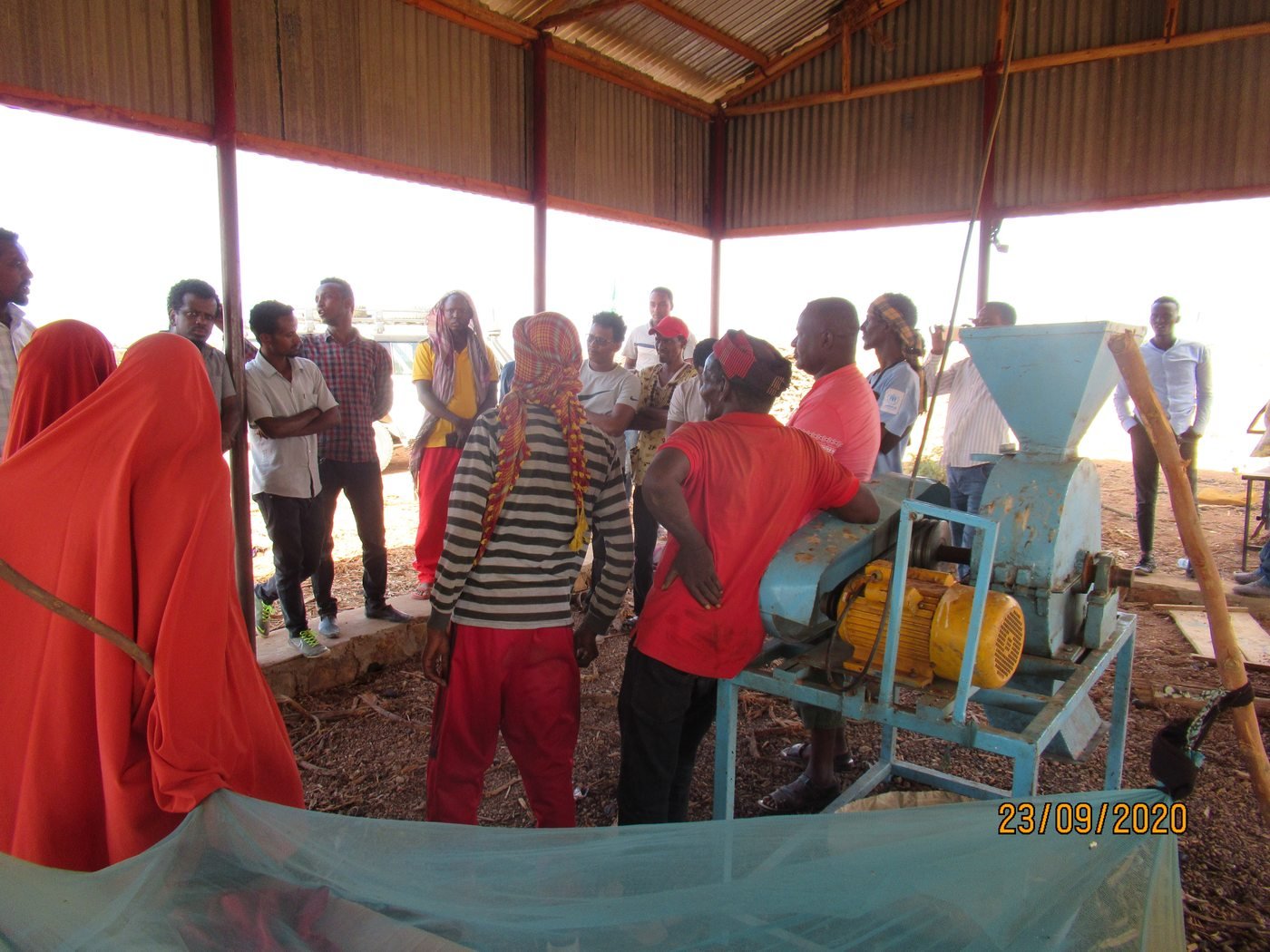
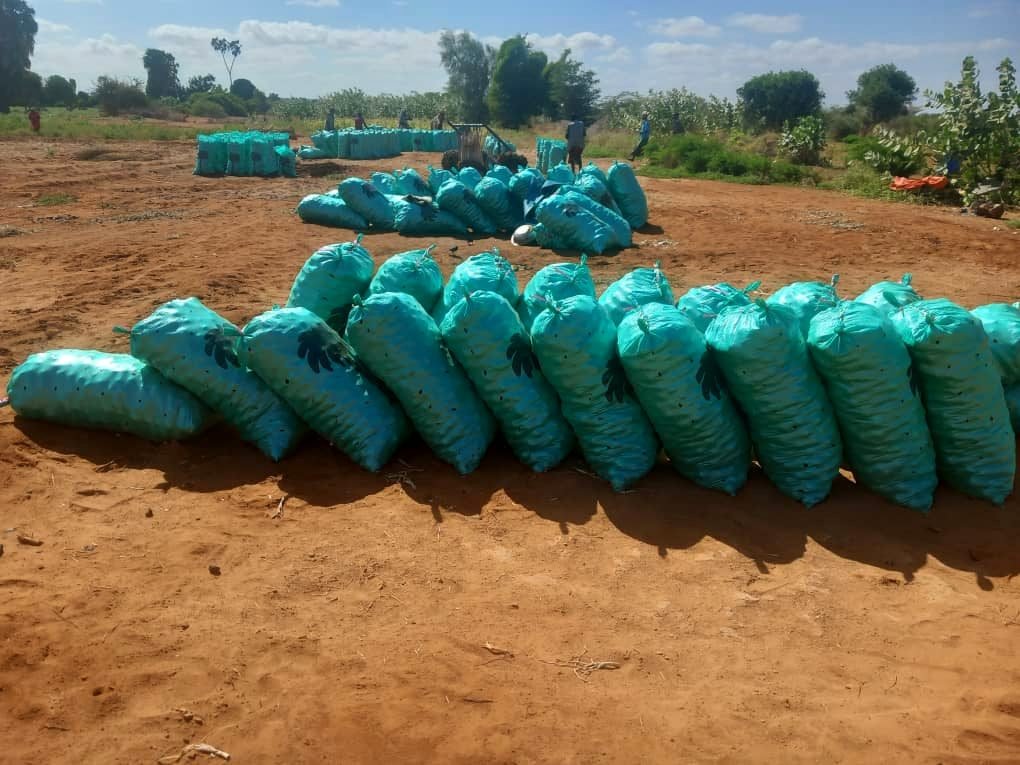
Started in 2016 as an answer to refugees cutting live trees for firewood: 100 host-community youth and women trained to make briquettes from waste material, prosopis branches and chat stems.
Crop production
Lowland wheat, rice, maize, onion and vegetable production on irrigated plots, with seed distribution run jointly with the woreda offices, UNHCR and RRS.
Cooperatives that own the gains
31 cooperatives established and legally registered — 22 in livestock and 9 in agriculture — so profit and decision-making stayed with members.
Women’s economic empowerment
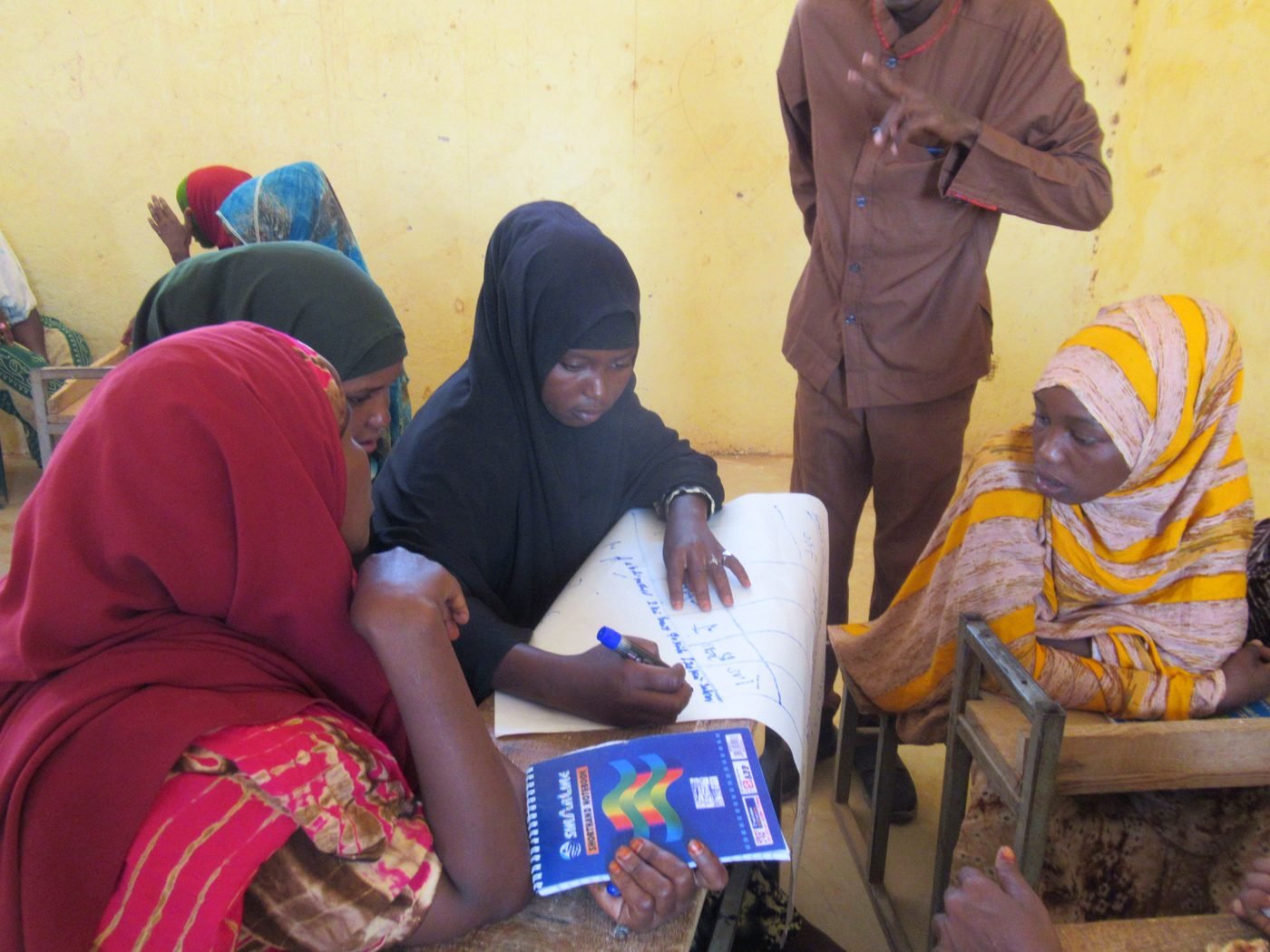
A dedicated strand in every phase from 2018 onward: business training, group formation, access to finance and leadership roles inside the cooperatives.
Grinderies, stores and solar
Grain grinderies, granaries and storage buildings constructed, and camp facilities solarised so cooling and processing kept running.
From eleven years of work
Eleven years of delivery, audited and documented
The programme concluded in June 2025. The systems, the cooperatives and the trained people are still here. Talk to us about what comes next.